Reliable Logistics Spaces Supporting Continuous Business Operations
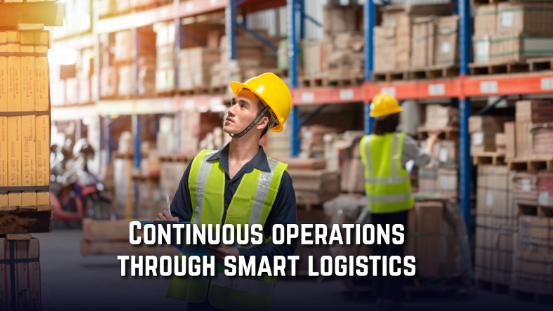
In today’s fast-paced commercial environment, the demand for efficient and scalable storage facilities has increased significantly, making warehouse construction a critical component in supporting uninterrupted business operations. As industries expand and supply chains become more complex, logistics spaces must be designed to handle high volumes, ensure smooth movement of goods, and adapt to evolving operational requirements. Modern warehouses are no longer simple storage units—they are strategic assets that directly influence productivity, efficiency, and overall business performance.
The Growing Importance of Logistics Infrastructure
The rise of e-commerce, global trade, and advanced distribution networks has elevated the role of warehouses in business ecosystems. Companies rely heavily on well-designed logistics spaces to manage inventory, streamline operations, and ensure timely delivery. A properly constructed warehouse can significantly reduce delays, improve storage efficiency, and support long-term growth.
Working with experienced warehouse contractors in dubai ensures that every aspect of the facility is optimized for functionality and durability. From layout planning to structural design, these professionals focus on creating spaces that align with operational needs while maintaining compliance with industry standards.
Designing Warehouses for Operational Efficiency
Efficiency is the backbone of any successful logistics operation. Warehouse design must facilitate smooth movement of goods, minimize handling time, and maximize storage capacity. Strategic planning involves careful consideration of layout, zoning, and workflow patterns to ensure seamless operations.
Modern warehouses incorporate wide aisles, clearly defined loading and unloading zones, and dedicated storage areas for different types of goods. The use of vertical space through high racking systems allows businesses to store more inventory without expanding the facility footprint. Additionally, efficient placement of entry and exit points helps reduce congestion and improve turnaround times.
By focusing on these elements, warehouse construction ensures that logistics operations remain efficient, organized, and capable of meeting increasing demand.
Integrating Technology for Smarter Logistics
Technology has transformed the way warehouses operate, making automation and digital systems essential components of modern logistics spaces. Advanced warehouse management systems (WMS), automated storage and retrieval systems, and real-time inventory tracking tools enhance accuracy and efficiency.
Smart warehouses are equipped with sensors, robotics, and data analytics tools that enable businesses to monitor operations in real time. These technologies reduce human error, improve inventory management, and allow for faster decision-making. Additionally, automated systems streamline repetitive tasks, freeing up human resources for more strategic activities.
Incorporating technology during the construction phase ensures that the warehouse is future-ready, capable of adapting to new advancements without requiring major structural changes.
Ensuring Durability and Structural Strength
Warehouses are subjected to heavy usage, including the movement of large machinery, storage of heavy goods, and constant operational activity. Therefore, durability and structural strength are essential considerations in warehouse construction.
High-quality materials, reinforced flooring, and robust structural frameworks are used to ensure that the facility can withstand demanding conditions. Proper ventilation, temperature control, and weather-resistant features further enhance the longevity of the structure. These elements not only protect goods but also ensure a safe working environment for employees.
A well-constructed warehouse minimizes maintenance costs and reduces the risk of operational disruptions, making it a valuable long-term investment for businesses.
Flexibility and Scalability for Future Growth
As businesses grow, their logistics needs evolve. Modern warehouses are designed with flexibility in mind, allowing for easy expansion and reconfiguration. Modular construction techniques, adaptable layouts, and scalable infrastructure enable businesses to adjust their operations without significant downtime.
Flexible storage systems and multi-purpose areas allow companies to handle different types of goods and adapt to changing market demands. This adaptability ensures that the warehouse remains relevant and efficient, even as business requirements change over time.
By prioritizing scalability, warehouse construction supports long-term growth and provides businesses with the ability to respond quickly to new opportunities.
Sustainability in Warehouse Development
Sustainability has become an important aspect of warehouse construction, with businesses increasingly adopting eco-friendly practices to reduce their environmental impact. Energy-efficient lighting, solar panels, and sustainable building materials are commonly used to create environmentally responsible logistics spaces.
Green warehouses not only contribute to environmental conservation but also offer cost savings through reduced energy consumption. Improved insulation and ventilation systems enhance energy efficiency while creating a more comfortable working environment. These sustainable practices align with global environmental goals and enhance the overall value of the facility.
Enhancing Safety and Compliance Standards
Safety is a critical factor in warehouse operations. Proper design and construction ensure that the facility meets all safety regulations and industry standards. Features such as fire safety systems, emergency exits, proper lighting, and clear signage contribute to a safe working environment.
In addition, ergonomic design considerations help reduce the risk of workplace injuries, improving employee productivity and satisfaction. Compliance with safety standards not only protects workers but also ensures smooth and uninterrupted operations.
Conclusion
Reliable logistics spaces are essential for supporting continuous business operations in today’s competitive market. From efficient design and advanced technology to durability, scalability, and sustainability, modern warehouse construction plays a crucial role in enhancing productivity and ensuring long-term success. By investing in well-planned and expertly executed logistics facilities, businesses can optimize their supply chains and maintain a strong competitive edge. Partnering with a trusted dubai construction company ensures that every aspect of the warehouse is designed and built to meet the highest standards, providing a solid foundation for efficient and uninterrupted operations.


Post Comment