Foreword Meaning, Purpose, and How It Differs From a Preface
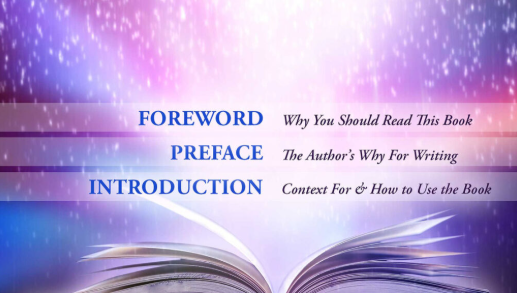
A foreword is one of the first sections readers encounter when opening a book. It serves as an introduction written by someone other than the author, often an expert, respected professional, or notable figure who provides insight into the book’s value and credibility. Whether you are an aspiring author, a student, or an avid reader, understanding the purpose of a foreword can help you better appreciate its role in publishing.
This guide explains the foreword meaning, its purpose, structure, benefits, and how it differs from similar sections such as a preface and an introduction.
What Is a Foreword?
A foreword is an introductory section placed at the beginning of a book. It is usually written by someone other than the book’s author to introduce the work and explain why it is worth reading.
The writer of a foreword often shares:
- Their relationship with the author.
- Why the book is important.
- The author’s expertise.
- The value readers can expect.
- Personal experiences related to the subject.
A well-written foreword builds trust and encourages readers to continue with the book.
Foreword at a Glance
| Feature | Details |
|---|---|
| Purpose | Introduce and recommend the book |
| Written By | Someone other than the author |
| Location | Beginning of the book |
| Main Goal | Build credibility and reader interest |
| Common In | Nonfiction, memoirs, biographies, academic books |
Why Is a Foreword Important?
A foreword serves several purposes beyond simply introducing the book.
Its benefits include:
- Establishing credibility.
- Highlighting the author’s qualifications.
- Explaining the significance of the topic.
- Building reader confidence.
- Providing additional context.
When written by a respected individual, a foreword can increase the book’s authority and appeal.
Who Writes a Foreword?
A foreword is typically written by someone who has knowledge of the book’s subject or a connection with the author.
Common contributors include:
- Industry experts.
- Professors.
- Successful entrepreneurs.
- Well-known authors.
- Public figures.
- Long-time colleagues.
The person writing the foreword should have credibility that adds value to the publication.
What Should a Foreword Include?
Although every foreword is unique, most include several common elements.
Introduction to the Author
The writer explains how they know the author and why they respect their work.
Importance of the Book
A foreword often discusses why the subject matters and what readers can expect to learn.
Personal Perspective
Many writers include personal experiences or observations that relate to the book’s topic.
Recommendation
The foreword usually ends by encouraging readers to continue reading and explaining why the book deserves attention.
How Long Should a Foreword Be?
A foreword is generally brief and focused.
Most forewords range between:
| Book Type | Typical Length |
|---|---|
| Short Books | 300–500 words |
| Standard Books | 500–1,000 words |
| Academic Books | 800–1,500 words |
The goal is to provide valuable context without delaying the main content.
Foreword vs. Preface
People often confuse a foreword with a preface, but they serve different purposes.
| Foreword | Preface |
|---|---|
| Written by someone other than the author | Written by the author |
| Recommends the book | Explains why the book was written |
| Adds credibility | Shares the author’s motivation |
| Offers an outside perspective | Offers the author’s perspective |
Understanding this difference helps readers better interpret each section.
Foreword vs. Introduction
A foreword is also different from an introduction.
| Foreword | Introduction |
|---|---|
| Written by another person | Usually written by the author |
| Discusses the book’s value | Introduces the book’s main subject |
| Appears before the preface or introduction | Leads into the main content |
An introduction prepares readers for the material that follows, while a foreword focuses on recommending the work.
Tips for Writing an Effective Foreword
If you are invited to write a foreword, consider these best practices:
- Explain your connection to the author.
- Keep the tone positive and professional.
- Focus on the book’s strengths.
- Avoid revealing major details or conclusions.
- Write clearly and concisely.
- Encourage readers to continue reading.
A thoughtful foreword should complement the book rather than overshadow it.
When Does a Book Need a Foreword?
Not every book includes a foreword.
A foreword is most common in:
- Business books.
- Memoirs.
- Self-help books.
- Academic publications.
- Historical works.
- Professional guides.
Books written by first-time authors often benefit from a foreword written by a respected expert.
Benefits of Reading the Foreword
Many readers skip the foreword, but it can provide valuable insights.
Reading it may help you:
- Understand the book’s importance.
- Learn about the author’s background.
- Gain context before reading.
- Appreciate the subject more deeply.
It often sets the tone for the rest of the book.
Final Thoughts
A foreword is more than just an opening section of a book. It is a recommendation from a trusted voice that helps establish credibility, introduce the author’s work, and prepare readers for the journey ahead.
Whether you are writing, publishing, or reading a book, understanding the role of a foreword can enhance your appreciation of how books are presented and why this introductory section remains an important part of publishing.
FAQs
What is a foreword?
A foreword is an introductory section of a book written by someone other than the author to recommend the book and explain its significance.
Who usually writes a foreword?
A foreword is commonly written by an expert, respected professional, author, or someone with a meaningful connection to the book or its author.
What is the difference between a foreword and a preface?
A foreword is written by another person, while a preface is written by the author and explains the motivation behind the book.
Is a foreword necessary for every book?
No. Many books do not include a foreword, but it can add credibility and context, especially for nonfiction and professional publications.
How long should a foreword be?
Most forewords are between 300 and 1,000 words, depending on the type and length of the book.




Post Comment