Boat Financing Guide to Loan Options Rates Eligibility and Buying Tips
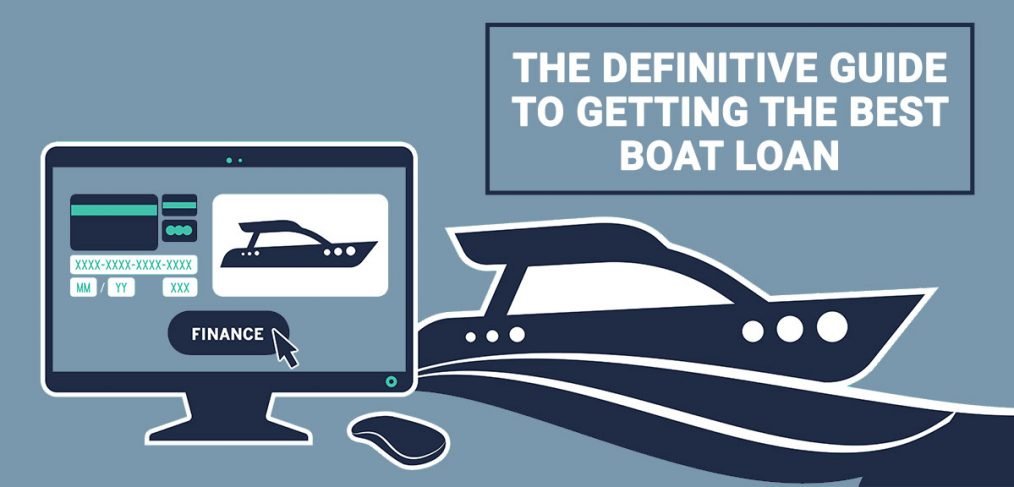
Owning a boat is a dream for many people who enjoy fishing, water sports, family outings, or relaxing weekends on the water. While purchasing a boat outright is possible for some buyers, many choose boat financing to spread the cost over time through manageable monthly payments. Financing allows buyers to purchase a new or used boat without paying the full amount upfront, making ownership more accessible.
Today’s lenders offer a variety of financing options designed to meet different budgets and financial situations. Whether you’re buying your first fishing boat, a pontoon, a sailboat, or a luxury yacht, understanding how boat financing works can help you choose the right loan while avoiding unnecessary costs.
This guide explains everything you need to know about boat financing, including loan options, eligibility requirements, interest rates, repayment terms, and practical tips for securing a loan that fits your financial goals.
What Is Boat Financing?
Boat financing is a type of loan that helps individuals purchase a boat by borrowing money from a lender and repaying it over an agreed period. Instead of making one large payment, borrowers make regular monthly payments until the loan is fully repaid.
Depending on the lender and loan type, financing may be available for:
- Fishing boats
- Pontoon boats
- Sailboats
- Speedboats
- Cabin cruisers
- Personal watercraft
- Luxury yachts
The loan terms often depend on the purchase price, down payment, credit profile, and the age of the boat.
How Boat Financing Works
The financing process follows several straightforward steps.
Choose the Boat
Buyers first select the type of boat that best meets their needs and budget.
Submit a Loan Application
Lenders typically request information such as:
- Personal identification
- Income details
- Employment information
- Credit history
- Purchase information
Loan Review
The lender evaluates the application to determine eligibility and loan terms.
Approval and Funding
If approved, the lender provides the funds, allowing the buyer to complete the purchase while agreeing to the repayment schedule.
Monthly Repayments
Borrowers repay the loan through fixed monthly installments until the balance is paid in full.
Types of Boat Financing
Several financing options are available depending on individual circumstances.
Secured Boat Loans
These loans use the boat itself as collateral. They often offer competitive interest rates because the lender has security if the borrower defaults.
Unsecured Personal Loans
Some buyers use personal loans that do not require the boat as collateral. These may be suitable for lower purchase amounts but often carry different qualification requirements.
Dealer Financing
Many boat dealerships work with financial institutions to provide financing directly during the purchase process.
Credit Union Loans
Credit unions may offer competitive loan programs for eligible members, often with personalized customer service.
Factors That Affect Loan Approval
Lenders evaluate several factors before approving boat financing.
Credit Score
A stronger credit history may improve approval chances and help borrowers qualify for more favorable loan terms.
Income
Stable and sufficient income demonstrates the ability to make monthly loan payments.
Down Payment
A larger down payment can reduce the total amount borrowed and lower monthly payments.
Debt-to-Income Ratio
Lenders often consider existing financial obligations when reviewing loan applications.
Boat Value
The age, condition, and purchase price of the boat may also influence financing decisions.
Benefits of Boat Financing
Many buyers choose financing because it offers several advantages.
Affordable Monthly Payments
Spreading the purchase price over several years makes ownership more manageable.
Immediate Ownership
Qualified buyers can enjoy their boat without waiting years to save the full purchase price.
Flexible Loan Terms
Many lenders provide repayment options that accommodate different budgets.
Preserves Savings
Financing allows buyers to maintain emergency savings instead of using all available cash for the purchase.
Costs to Consider Beyond the Loan
Owning a boat involves more than monthly loan payments.
Additional expenses may include:
- Insurance
- Registration fees
- Fuel
- Storage
- Maintenance
- Repairs
- Safety equipment
- Docking fees
Understanding these ongoing costs helps buyers create a realistic ownership budget.
Tips for Choosing the Right Boat Loan
Before applying, consider these recommendations.
- Compare multiple lenders.
- Review interest rates and repayment terms.
- Understand all fees before signing.
- Borrow only what fits your budget.
- Consider making a larger down payment if possible.
- Read the complete loan agreement carefully.
Making informed decisions can save money over the life of the loan.
Common Mistakes to Avoid
Some buyers make avoidable financing errors.
These include:
- Borrowing more than necessary.
- Ignoring additional ownership costs.
- Accepting the first loan offer without comparison.
- Missing monthly payments.
- Failing to review loan conditions.
Avoiding these mistakes contributes to a healthier financial experience.
Is Boat Financing Worth It?
For many buyers, boat financing offers a practical way to enjoy boating while managing costs through predictable monthly payments. The right financing option depends on your financial situation, credit profile, and long-term budget.
Carefully comparing lenders, understanding repayment terms, and planning for ongoing ownership expenses can help ensure that your boat purchase remains both enjoyable and financially responsible.
This article is created for topicentro using the keyword “boat financing.” It is written specifically for this website to provide readers with informative, practical, and easy-to-understand guidance about boat financing, including loan options, eligibility, repayment terms, costs, and essential considerations for individuals planning to purchase a new or used boat through financing.
Final Thoughts
Boat financing can make boat ownership more accessible by allowing buyers to spread the purchase cost over manageable monthly payments. Whether purchasing a fishing boat, pontoon, sailboat, or another type of watercraft, understanding loan options, eligibility requirements, and total ownership costs is essential. Taking time to compare lenders, review loan terms, and plan your budget will help you choose a financing solution that supports both your boating goals and your long-term financial well-being.
Frequently Asked Questions
What is boat financing?
Boat financing is a loan that helps buyers purchase a boat and repay the borrowed amount through scheduled monthly installments.
Can I finance a used boat?
Yes. Many lenders offer financing for both new and used boats, although eligibility and loan terms may vary depending on the boat’s age and condition.
What credit score is needed for boat financing?
Requirements differ among lenders. A stronger credit profile may improve approval chances and help secure more favorable loan terms.
Is a down payment required?
Some lenders require a down payment, while others may offer financing with different down payment options depending on the applicant’s qualifications.
What expenses should I budget for besides the loan?
Boat owners should also consider insurance, maintenance, fuel, registration, storage, repairs, and docking fees when planning their budget.
How can I improve my chances of loan approval?
Maintaining a stable income, managing existing debt responsibly, improving your credit profile, and providing a reasonable down payment can strengthen a financing application.



Post Comment