Software Patches TechOElite: A Complete Guide to Software Updates and Security
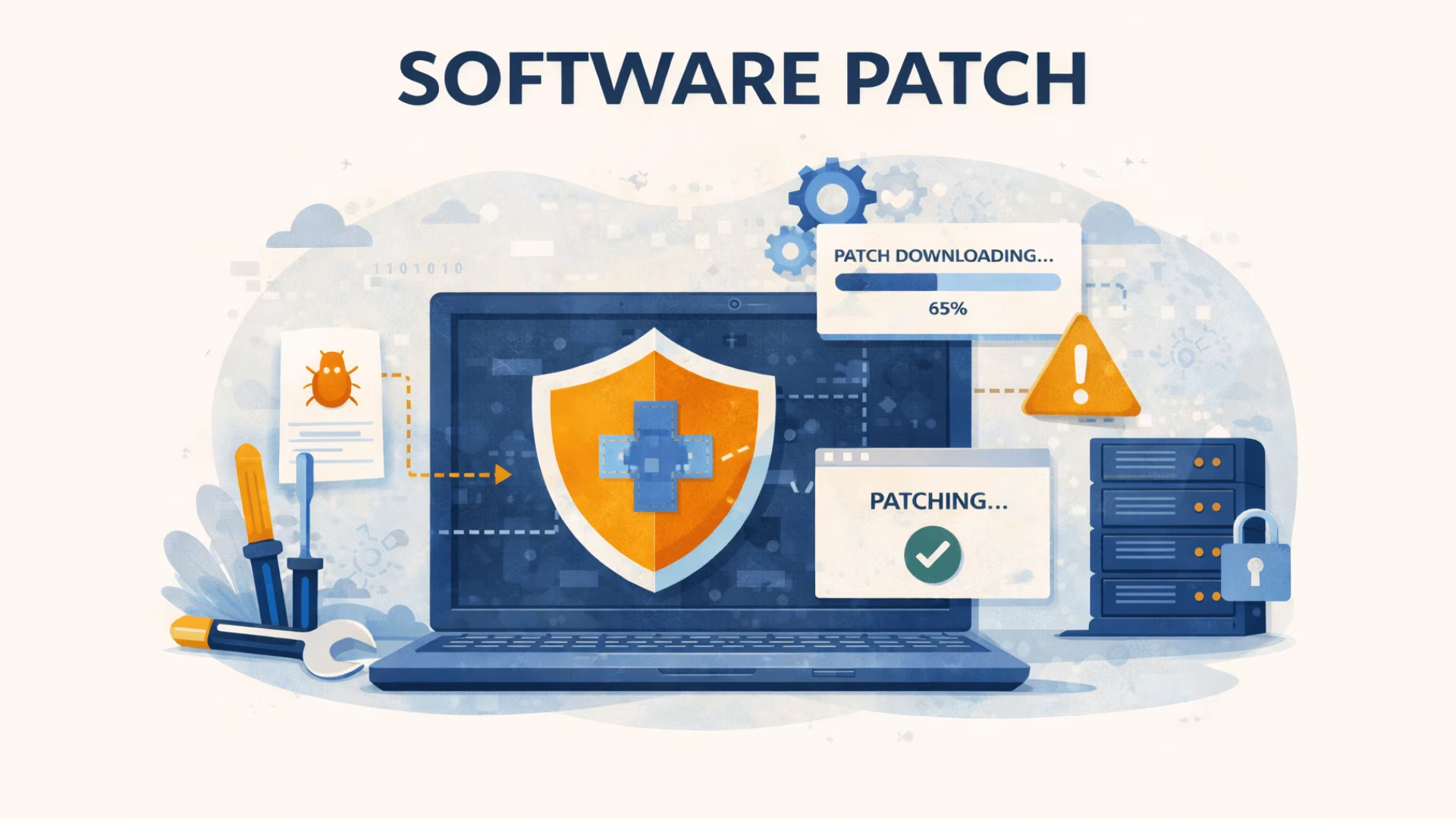
Software powers nearly every aspect of modern life, from smartphones and laptops to cloud applications and enterprise systems. However, no software is perfect at launch. Developers continually improve their products by fixing bugs, enhancing performance, adding features, and strengthening security. This is where software patches TechOElite becomes an important topic for individuals and businesses looking to maintain reliable and secure systems.
Whether you’re using a personal computer, managing business software, or maintaining enterprise infrastructure, understanding software patches helps protect your devices from security vulnerabilities while ensuring optimal performance. Regular updates are one of the simplest yet most effective ways to keep applications functioning efficiently.
This guide explores software patches TechOElite, explains how software patches work, discusses their benefits, common patch types, best practices, and why timely updates are essential for both personal and business users.
What Are Software Patches?
A software patch is a small update released by software developers to improve an existing application or operating system.
Patches typically address:
- Security vulnerabilities
- Software bugs
- Performance improvements
- Compatibility issues
- Stability enhancements
- Minor feature additions
Instead of reinstalling the entire application, users simply install the patch to update the existing software.
Understanding Software Patches TechOElite
The keyword software patches TechOElite is commonly associated with educational content discussing software maintenance, security updates, system optimization, and technology best practices.
Technology-focused resources often explain:
- Why updates are important
- How patch management works
- Security risks of outdated software
- Best practices for updating systems
- Enterprise patch management strategies
Learning these concepts helps users maintain safer and more reliable devices.
Why Software Patches Are Important
Keeping software updated provides several important benefits.
Improved Security
Cybercriminals often target known software vulnerabilities.
Security patches help:
- Close security loopholes
- Reduce hacking risks
- Prevent malware infections
- Protect sensitive information
- Improve overall system security
Timely updates significantly reduce exposure to cyber threats.
Better Performance
Software updates often optimize system performance by improving speed, efficiency, and resource usage.
Users may notice:
- Faster application loading
- Improved responsiveness
- Better stability
- Reduced crashes
Bug Fixes
Developers continuously identify and resolve software issues reported by users.
Common fixes include:
- Interface glitches
- Installation errors
- System crashes
- Unexpected behavior
- Data synchronization issues
These improvements enhance the overall user experience.
Compatibility Improvements
Technology changes rapidly.
Patches help ensure compatibility with:
- New operating systems
- Updated hardware
- Web browsers
- Cloud services
- Third-party applications
Compatibility updates help software continue functioning correctly as technology evolves.
Types of Software Patches
Different updates serve different purposes.
Security Patches
These updates specifically address security vulnerabilities discovered after software release.
Security patches are among the most critical updates users should install promptly.
Bug Fix Patches
These resolve coding errors that affect software functionality.
Feature Updates
Developers occasionally introduce new capabilities through patches without requiring a completely new software version.
Performance Updates
These optimize speed, memory usage, battery efficiency, and overall application performance.
How Software Patches Work
The update process usually follows these steps:
- Developers identify issues.
- Engineers create a patch.
- Quality assurance teams test the update.
- The patch is released to users.
- Users install the update.
- Systems restart if necessary.
- The updated software becomes active.
Most modern applications can automatically check for available updates.
Common Devices That Receive Software Patches
Almost every digital device benefits from regular updates.
Examples include:
- Desktop computers
- Laptops
- Smartphones
- Tablets
- Smart TVs
- Gaming consoles
- Routers
- Smart home devices
- Cloud applications
- Enterprise servers
Routine maintenance keeps these systems secure and reliable.
Benefits for Businesses
Organizations rely heavily on software updates to protect operations.
Business advantages include:
Stronger Cybersecurity
Regular patching reduces the likelihood of security incidents.
Regulatory Compliance
Many industries require organizations to maintain updated systems for compliance purposes.
Improved Productivity
Stable software minimizes downtime and improves employee efficiency.
Lower IT Costs
Preventing security incidents often costs less than recovering from them.
Challenges of Patch Management
Although updates are essential, organizations may face certain challenges.
Examples include:
- Scheduling maintenance windows
- Testing updates before deployment
- Managing numerous devices
- Preventing compatibility issues
- Training employees
Large organizations often use automated patch management systems to simplify these tasks.
Best Practices for Installing Software Patches
Following good maintenance habits improves both security and reliability.
Enable Automatic Updates
Automatic updates reduce the risk of missing critical security patches.
Back Up Important Data
Before installing major updates, create backups of important files.
Update Promptly
Install security patches as soon as practical after release.
Download Only from Official Sources
Always obtain updates directly from software vendors or official application stores.
Restart Devices
Some updates require restarting the system before changes take effect.
Common Mistakes to Avoid
Users sometimes delay or ignore updates.
Avoid these mistakes:
- Skipping security patches
- Using unsupported software versions
- Downloading unofficial updates
- Ignoring update notifications
- Disabling automatic updates without a maintenance plan
Consistent updates reduce long-term risks.
Future of Software Patch Management
Software maintenance continues evolving with new technologies.
Emerging trends include:
- AI-assisted vulnerability detection
- Automated patch deployment
- Cloud-based update management
- Predictive maintenance
- Zero-downtime patching
- Enhanced cybersecurity monitoring
These innovations help organizations maintain secure and reliable systems more efficiently.
Why Software Patches TechOElite Matters
As cyber threats become increasingly sophisticated, understanding software patches TechOElite helps individuals and organizations appreciate the importance of regular software maintenance.
Timely updates not only improve security but also enhance performance, stability, compatibility, and overall user experience across digital devices.
This article is created for topicentro.com using the keyword “software patches techoelite.” It is written specifically for this website to provide readers with informative and balanced content about software patches, cybersecurity, update management, system performance, patch types, and best practices for maintaining secure and efficient digital systems.
Final Thoughts
Software patches TechOElite highlight the essential role that regular updates play in today’s technology landscape. Whether you’re maintaining a personal computer or managing enterprise systems, installing patches promptly helps protect against security threats while improving software reliability and performance. Developing consistent update habits is one of the simplest and most effective ways to keep digital devices secure, stable, and ready for future technological advancements.
Frequently Asked Questions
What are software patches?
Software patches are updates released by developers to fix bugs, improve security, enhance performance, or add minor features to existing software.
Why are software patches important?
They protect systems from security vulnerabilities, improve stability, resolve software bugs, and maintain compatibility with newer technologies.
What does software patches TechOElite refer to?
It generally refers to educational content about software updates, patch management, cybersecurity, and technology maintenance best practices.
How often should software be updated?
Users should install security patches as soon as they become available and regularly check for feature and performance updates.
Can delaying software updates create security risks?
Yes. Outdated software may contain known vulnerabilities that attackers can exploit if patches are not installed promptly.
What is the safest way to install software updates?
Download updates only from official software vendors or trusted application stores, back up important data before major updates, and enable automatic updates whenever possible.




Post Comment