Curriculum for Home Education: A Complete Guide to Planning Effective Homeschooling for Children

A curriculum for home education provides a structured plan for teaching children at home. It helps parents organize subjects, choose learning materials, set educational goals, monitor progress, and create a balanced learning routine. Unlike a traditional classroom, homeschooling allows families to adapt lessons to a child’s learning speed, interests, strengths, and educational needs.
Home education can include reading, writing, mathematics, science, history, geography, art, physical education, computer skills, and practical life activities. The goal is not simply to complete textbooks but to help children develop knowledge, confidence, independence, and problem-solving abilities.
Parents can follow an established curriculum, combine resources from different educational programs, or create a personalized plan. The best approach depends on the child’s age, academic level, family resources, and future educational goals.
What Is a Curriculum for Home Education?
A home education curriculum is a collection of subjects, learning objectives, activities, teaching materials, and assessments used to educate a child outside a conventional school environment.
It gives parents a clear direction for daily lessons and long-term learning. A well-planned curriculum also helps identify areas where a child needs additional practice or more advanced activities.
A typical home education curriculum includes:
- Core subjects such as language, mathematics, and science.
- Reading and writing practice.
- Social studies, history, and geography.
- Creative activities, including art and music.
- Physical exercise and health education.
- Computer literacy and digital skills.
- Practical life skills and independent projects.
- Regular assessments and progress records.
A curriculum should remain flexible enough to accommodate holidays, family activities, educational outings, and changes in a child’s learning needs.
Main Subjects to Include in a Homeschool Curriculum
1. English, Reading, and Writing
Language skills are essential for learning across all subjects. Children need to understand written information, communicate clearly, express ideas, and develop strong reading habits.
A language curriculum can include phonics, vocabulary, grammar, reading comprehension, spelling, creative writing, and speaking activities.
Younger children may begin with letter recognition, simple words, and picture books. Older learners can progress to essays, book reviews, research assignments, and presentations.
Suggested activities:
- Read a story together and discuss its main ideas.
- Keep a daily journal.
- Write letters, short stories, or book summaries.
- Practise spelling and vocabulary through games.
- Give short presentations on familiar topics.
2. Mathematics
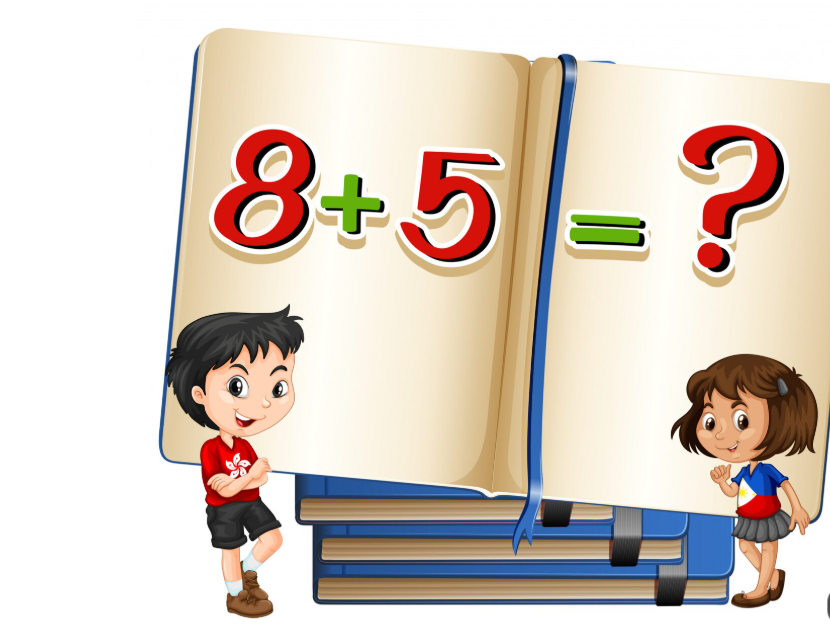
Mathematics helps children develop logical thinking, accuracy, and problem-solving skills.
Early learners can practise counting, shapes, number recognition, and simple addition. As they progress, lessons may cover multiplication, division, fractions, decimals, percentages, geometry, algebra, and statistics.
Practical activities can make mathematics easier to understand. Cooking, shopping, measuring furniture, planning a budget, and calculating travel distances all provide opportunities to use mathematical concepts.
3. Science
Science encourages children to ask questions, observe their surroundings, test ideas, and understand how the world works.
Depending on age and grade level, the curriculum may include biology, physics, chemistry, environmental science, astronomy, and basic scientific investigation.
Parents can introduce science through nature walks, gardening, weather observations, simple demonstrations, and supervised experiments.
Children should be encouraged to record observations, explain results, and distinguish evidence from guesses.
4. History and Geography
History helps children understand people, societies, cultures, and important events. Geography introduces maps, landforms, climate, natural resources, and the relationships between people and their environments.
Families can use maps, timelines, documentaries, biographies, historical stories, and local visits to make these subjects engaging.
For Indian families, relevant topics may include Indian history, geography, cultural heritage, civic responsibilities, and regional traditions.
5. Computer and Digital Education
Digital literacy is increasingly important in education and employment. Children can learn how to use computers responsibly, organize digital files, prepare documents, conduct research, and recognize unreliable online information.
Older learners may explore coding, spreadsheets, presentations, digital design, and basic data analysis.
Parents should also teach online safety, privacy, respectful communication, and healthy screen habits.
6. Art, Music, and Physical Education
A balanced curriculum includes more than academic subjects.
Art and music support creativity, expression, and appreciation of different forms of culture. Physical education promotes coordination, fitness, and healthy habits.
Useful activities include drawing, painting, singing, dancing, playing a musical instrument, cycling, outdoor games, stretching, and age-appropriate sports.
Home Education Curriculum by Age Group
Children need different learning experiences at different developmental stages. The following table provides a general framework rather than a substitute for a specific grade-level syllabus.
| Age group | Main learning priorities | Example activities |
|---|---|---|
| Ages 3–5 | Early language, counting, play, movement, and social skills | Picture books, puzzles, songs, sorting games |
| Ages 6–8 | Reading fluency, writing, basic mathematics, and nature study | Reading logs, simple experiments, number games |
| Ages 9–11 | Stronger literacy, fractions, science, history, and research | Book reports, map work, project-based learning |
| Ages 12–14 | More advanced mathematics, scientific concepts, critical thinking, and independent study | Research projects, coding, practical experiments |
| Ages 15–18 | Advanced subjects, examination preparation, career exploration, and independent learning | Subject-specific coursework, portfolios, vocational projects |
Parents should consider the child’s actual skills and development rather than relying on age alone. Some learners need additional practice in foundational subjects, while others benefit from more challenging material.
How to Create a Weekly Homeschool Schedule

A weekly schedule gives children consistency while allowing parents to adjust lessons when necessary. It is usually more effective to establish realistic learning goals than to copy a school’s timetable exactly.
Example Weekly Learning Plan
| Day | Core subjects | Additional activities |
|---|---|---|
| Monday | English and mathematics | Reading and drawing |
| Tuesday | Science and language practice | Nature observation |
| Wednesday | Mathematics and social studies | Art or music |
| Thursday | English and science | Computer skills |
| Friday | Review and project work | Sports and creative activities |
This is a sample plan, not a mandatory schedule. Families can change the subjects, lesson lengths, and number of learning days according to their circumstances.
Sample Daily Routine
- Morning: Reading, writing, and mathematics.
- Late morning: Science or social studies.
- Afternoon: Art, physical education, practical projects, or independent reading.
- End of day: Review completed work and discuss what was learned.
Younger children generally benefit from shorter lessons and frequent movement breaks. Older students may be ready for longer periods of independent work.
Choosing the Right Home Education Curriculum
Parents can choose among several curriculum approaches.
Traditional Curriculum
A traditional curriculum follows clearly defined subjects, textbooks, lessons, assignments, and assessments. It may suit families that want a structured academic routine and close alignment with school-grade expectations.
Online Curriculum
Online programs may provide video lessons, digital textbooks, quizzes, and progress reports. They can help parents access specialist instruction, but families should check costs, device requirements, teacher support, and accreditation claims.
Montessori-Inspired Learning
Montessori-inspired learning emphasizes independence, hands-on materials, practical activities, and learning through exploration. Parents can adapt suitable activities for home use while considering the child’s developmental needs.
Project-Based Learning
Project-based learning organizes lessons around a meaningful question or task. For example, a project about growing vegetables can include plant science, measurement, budgeting, reading, and written observations.
Eclectic Homeschooling
An eclectic approach combines materials and methods from different programs. Parents might use a structured mathematics course, library books for history, online science lessons, and practical projects for life skills.
The most suitable approach is the one that meets educational goals, supports consistent progress, and fits the family’s available time and resources.
How to Track Progress in Home Education
Regular assessment helps parents understand whether a child is learning effectively. Assessment does not always need to involve formal examinations.
Useful methods include:
- Weekly spelling tests and mathematics exercises.
- Reading comprehension questions.
- Writing samples collected over time.
- Science notebooks and project portfolios.
- Oral presentations and discussions.
- Periodic reviews of learning goals.
Parents can keep a portfolio containing completed assignments, photographs of projects, reading lists, and assessment results. Reviewing this evidence every few weeks helps identify progress and areas requiring extra attention.
Children should receive constructive feedback that explains what they did well and what they can improve.
Home Education Curriculum in India
Families in India should consider the educational pathway they intend to follow before choosing a curriculum. Options may include resources aligned with NCERT learning objectives, relevant state-board syllabuses, and international educational programs.
The National Curriculum Framework for School Education 2023 provides a useful reference for understanding school learning areas and educational stages. Parents can explore the framework through the official Ministry of Education document.
The NCERT website provides curriculum information and educational resources. The CBSE Academic website publishes syllabuses and subject materials for applicable school classes.
However, using a curriculum or textbooks does not automatically establish eligibility for a particular school certificate or board examination. Parents should verify current home-education rules, registration requirements, and recognized examination pathways with the relevant education authorities or examination board before making long-term decisions.
Common Homeschooling Mistakes to Avoid

Trying to Teach Too Many Subjects at Once
A packed timetable can overwhelm children and parents. Prioritize foundational skills and introduce additional subjects at a manageable pace.
Ignoring Individual Learning Needs
Children learn differently. Observe whether a child understands the material, needs more practice, or is ready to move forward.
Depending Entirely on Screens
Digital lessons can be useful, but children also need books, conversation, physical activities, hands-on projects, and time outdoors.
Skipping Social Opportunities
Home education should include opportunities to interact with other children and adults. Community activities, sports clubs, group classes, library events, and supervised educational outings can help develop communication and teamwork skills.
Failing to Maintain Records
Keeping lesson plans, samples of work, and progress notes makes it easier to evaluate learning and prepare for future educational transitions.
Conclusion
A well-designed curriculum for home education combines academic learning, creativity, physical activity, digital literacy, and practical life skills. Parents can choose a structured program or combine different resources to create a curriculum that suits their child’s learning needs.
The key is to set achievable goals, establish a consistent routine, assess progress regularly, and make adjustments when necessary. By providing a supportive learning environment and meaningful educational experiences, families can help children develop independence, confidence, curiosity, and a strong foundation for future study.
Frequently Asked Questions (FAQs)
1. What is the best curriculum for home education?
The best curriculum depends on the child’s age, academic level, learning needs, family preferences, and future educational plans. Structured, online, Montessori-inspired, project-based, and eclectic approaches are all possible options.
2. What subjects should be included in a homeschool curriculum?
Core subjects generally include language arts, mathematics, science, and social studies. Art, music, physical education, computer skills, and practical life skills can provide a more balanced education.
3. How many hours a day should children study at home?
There is no single schedule suitable for every child. Learning time depends on age, subject difficulty, independent work, and educational requirements. Younger children usually need shorter lessons and more breaks than older students.
4. Can parents create their own home education curriculum?
Yes, parents can combine textbooks, online resources, library materials, practical activities, and projects to create a personalized plan. They should still consider age-appropriate learning objectives and any applicable local requirements.
5. Is home education recognized in India?
Educational rules and recognized examination pathways depend on the applicable regulations and board requirements. Families should confirm current eligibility, assessment, and certification arrangements with the relevant authorities before choosing a long-term homeschooling plan.



Post Comment