French Toast Custard: The Secret to Rich, Creamy French Toast
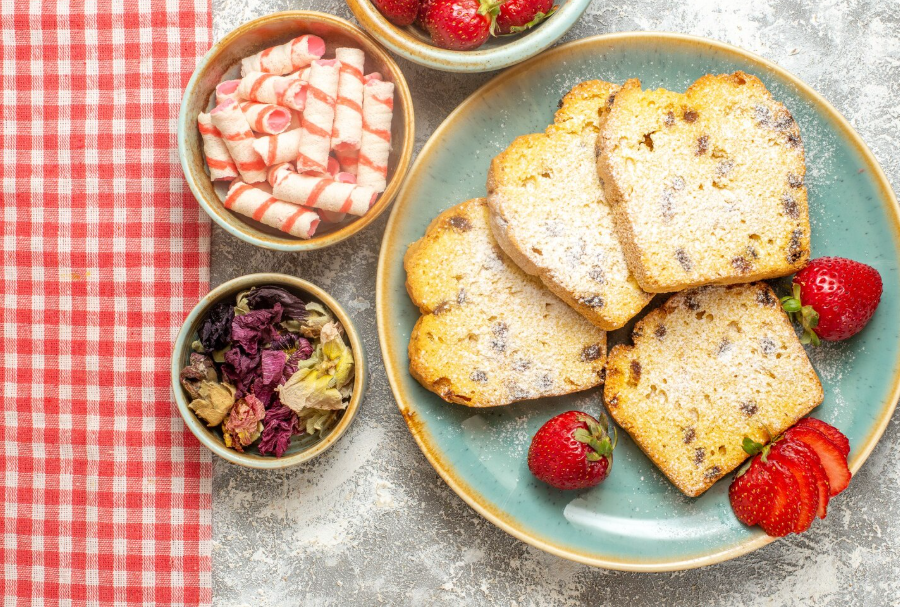
The secret to delicious French toast is simple: start with a flavorful french toast custard. A well-balanced mixture of eggs, milk or cream, vanilla, sugar, and warm spices transforms ordinary bread into golden, tender French toast with a creamy center and crisp edges.
Classic French toast recipes commonly use eggs and dairy as the foundation of the custard, while vanilla, cinnamon, nutmeg, and sugar add flavor. Sturdy, slightly stale bread is especially useful because it can absorb more custard without falling apart.
Whether you’re making breakfast for your family or preparing a special weekend brunch, this easy custard recipe gives you a reliable base for delicious French toast.
What Is French Toast Custard?
French toast custard is the liquid mixture used to soak bread before cooking it.
The basic ingredients are:
- Eggs
- Milk, cream, or half-and-half
- Vanilla extract
- Sugar
- Salt
- Cinnamon
- Nutmeg, optional
The eggs provide structure as the French toast cooks, while the dairy adds richness and moisture. Vanilla and spices give the bread its familiar sweet flavor.
The exact ratio can vary depending on the desired texture. Some recipes use milk, while richer versions use cream or a combination of cream and milk. King Arthur Baking, for example, uses eggs with heavy cream, vanilla, sugar, salt, and nutmeg for a classic French toast batter.
Best French Toast Custard Recipe
This easy recipe makes enough custard for approximately 6 to 8 slices of thick bread.
Ingredients
- 3 large eggs
- ¾ cup whole milk or half-and-half
- 2 tablespoons granulated sugar
- 1 teaspoon vanilla extract
- ½ teaspoon ground cinnamon
- ¼ teaspoon ground nutmeg
- Pinch of salt
- 6 to 8 slices of thick bread
- Butter or neutral oil, for cooking
For an even richer French toast, replace some or all of the milk with heavy cream.
How to Make French Toast Custard
Step 1: Crack the Eggs
Add the eggs to a shallow bowl or baking dish.
Whisk them until the yolks and whites are completely combined.
You don’t need to whip the eggs into foam. A smooth mixture is what you’re looking for.
Step 2: Add the Dairy
Pour in the milk, half-and-half, or cream.
Whisk until the eggs and dairy are thoroughly combined.
Step 3: Add the Flavor
Add:
- Sugar
- Vanilla
- Cinnamon
- Nutmeg
- Salt
Whisk everything together until smooth.
King Arthur Baking recommends whisking the eggs, cream, salt, nutmeg, sugar, and vanilla until smooth rather than excessively foamy.
Step 4: Soak the Bread
Place one or two slices of bread into the custard.
Let them soak until the custard has penetrated the bread, then turn them over.
Thicker bread can usually handle longer soaking than thin sandwich bread.
The goal is for the bread to become saturated without becoming so wet that it falls apart.
For example, King Arthur’s brioche French toast method soaks thick slices for roughly two minutes on each side, while other recipes use shorter soaking times depending on the bread.
Step 5: Cook the French Toast
Heat a skillet or griddle over medium heat.
Add a little butter, oil, or both.
Place the soaked bread into the hot pan.
Cook until the first side is golden brown, then flip and cook the other side.
A typical thick slice takes approximately 2 to 3 minutes per side, depending on the heat and thickness of the bread.
Transfer the finished French toast to a plate and repeat with the remaining slices.
The Best Bread for French Toast Custard
Not every type of bread works equally well.
The best choices tend to be sturdy breads that can absorb the custard without disintegrating.
Brioche
Brioche is rich, tender, and slightly sweet. It creates luxurious French toast with a soft center.
Challah
Challah has a sturdy structure and rich flavor, making it another excellent choice.
French Bread
A day-old French loaf can absorb plenty of custard while retaining its shape.
Sourdough
Sourdough adds a slightly tangy flavor that contrasts nicely with sweet toppings. King Arthur Baking notes that sourdough can absorb a generous amount of custard while maintaining its structure.
Regular Sandwich Bread
You can absolutely use standard sandwich bread, especially if that’s what you have available.
However, thin, soft bread can become soggy more quickly, so reduce the soaking time.
Why Stale Bread Works Better
Slightly stale bread is often better than fresh bread for French toast.
Fresh bread contains more moisture, so it can become saturated quickly.
Bread that’s been sitting for a day or two has lost some moisture and can absorb more of the custard.
King Arthur Baking specifically recommends somewhat stale bread for French toast because it absorbs the rich custard effectively.
If your bread is fresh, you can leave sliced bread uncovered for several hours to allow it to dry slightly.
You can also lightly toast it before making French toast.
How to Get Creamy French Toast
The ideal French toast has a contrast between the outside and inside.
The outside should be:
- Golden
- Lightly crisp
- Caramelized
The inside should be:
- Soft
- Tender
- Moist
- Custardy
Several techniques help achieve this texture.
Use Thick Slices
Slices around ¾ to 1 inch thick are excellent for custardy French toast.
Don’t Rush the Soak
Give the custard enough time to penetrate the bread.
Don’t Oversoak Soft Bread
Thin or very fresh bread can become too wet.
Cook Over Moderate Heat
High heat may burn the outside before the egg custard inside has fully cooked.
Use Butter and Oil
Butter adds flavor, while a small amount of oil can help prevent the butter from browning too quickly.
French Toast Custard Ratio
If you want to adjust the recipe for different amounts of bread, a simple starting point is:
3 eggs + ¾ cup dairy for 6 to 8 thick slices.
You can increase the custard when using particularly thick or dense bread.
For a richer version, use:
3 eggs + ½ cup heavy cream + ¼ cup milk.
For a lighter version, use:
3 eggs + ¾ cup milk.
The important thing is to have enough custard to coat and soak the bread without leaving large amounts of liquid unused.
Can You Make French Toast Custard Without Milk?
Yes.
If you don’t have milk, several alternatives can work.
Heavy Cream
Creates a richer, more decadent result.
Half-and-Half
Provides a good middle ground between milk and cream.
Dairy-Free Milk
Unsweetened oat, almond, soy, or coconut milk can be used.
Choose an unsweetened variety so you have better control over the sweetness.
Evaporated Milk
Evaporated milk can provide extra richness without using heavy cream.
French Toast Custard Variations
Once you’ve mastered the basic custard, you can easily change the flavor.
Cinnamon French Toast Custard
Add an extra ½ teaspoon of cinnamon for a stronger cinnamon flavor.
Vanilla French Toast Custard
Increase the vanilla to 1½ teaspoons for a pronounced vanilla aroma.
Maple French Toast Custard
Replace some of the granulated sugar with pure maple syrup.
Orange French Toast Custard
Add a little finely grated orange zest to the custard.
Orange pairs especially well with cinnamon and vanilla.
Brown Sugar Custard
Replace granulated sugar with light or dark brown sugar for a deeper caramel-like flavor.
Cardamom French Toast
Add a small pinch of ground cardamom along with the cinnamon.
This gives the French toast a warm, aromatic flavor.
French Toast Custard for Baked French Toast
The same basic concept can be used for a French toast casserole.
Instead of soaking individual slices and frying them, arrange bread in a baking dish and pour the custard over it.
Press the bread down so it absorbs the mixture.
For overnight French toast, the prepared casserole can be refrigerated for several hours or overnight before baking. King Arthur Baking’s overnight version combines eggs, milk, sugar, vanilla, cinnamon, and nutmeg and allows the bread to absorb the mixture before baking.
This method is especially convenient when you’re serving several people.
How to Make Overnight French Toast Custard
For an overnight casserole:
- Cut bread into slices or cubes.
- Arrange it in a greased baking dish.
- Whisk together eggs, milk, sugar, vanilla, cinnamon, nutmeg, and salt.
- Pour the custard evenly over the bread.
- Press the bread down gently.
- Cover and refrigerate overnight.
- Bake the next morning until the custard is set and the top is lightly browned.
This approach allows the bread to absorb the custard for several hours and is convenient for holidays or brunch gatherings.
How to Prevent Soggy French Toast
Soggy French toast usually happens because the bread absorbed too much liquid or wasn’t cooked sufficiently.
Try these tips:
- Use slightly stale bread.
- Choose thick slices.
- Don’t soak thin bread for too long.
- Allow excess custard to drip off before cooking.
- Don’t overcrowd the skillet.
- Cook over medium heat.
- Make sure the center is cooked before serving.
If you’re using very dense bread, it may need a longer soak than soft sandwich bread.
How to Prevent Dry French Toast
Dry French toast can be caused by insufficient custard, thin bread, or overcooking.
To keep the center tender:
- Use thick bread.
- Don’t cook over excessively high heat.
- Make sure there’s enough custard.
- Don’t leave the finished toast in the pan longer than necessary.
A rich custard containing some cream or half-and-half can also provide a more luxurious texture.
Best Toppings for French Toast
Once your French toast is cooked, the toppings can take it in almost any direction.
Try:
- Maple syrup
- Powdered sugar
- Fresh strawberries
- Blueberries
- Raspberries
- Sliced bananas
- Whipped cream
- Butter
- Nut butter
- Caramel sauce
- Honey
- Chopped pecans
- Toasted walnuts
For a simple classic presentation, dust the toast with powdered sugar and drizzle with warm maple syrup.
French Toast Custard Recipe at a Glance
Prep time: 5 minutes
Cook time: About 10–20 minutes
Yield: 6–8 slices
Best bread: Brioche, challah, French bread, or slightly stale sourdough
Main ingredients: Eggs, milk or cream, sugar, vanilla, cinnamon, nutmeg, and salt
Cooking method: Skillet or griddle
Common French Toast Custard Mistakes
Using Too Much Milk
Too much dairy can dilute the egg mixture and make it difficult for the custard to set properly.
Not Whisking the Eggs Thoroughly
Visible streaks of egg can create unevenly cooked spots.
Using Extremely Fresh Bread
Very fresh bread can become soggy quickly.
Soaking Too Long
The correct soaking time depends on the bread.
Cooking at Too High a Temperature
The exterior can burn before the interior is properly cooked.
Skipping Salt
Even a small amount of salt helps balance the sweetness and enhance the other flavors.
Frequently Asked Questions
What is the best ratio for French toast custard?
A useful starting point is 3 large eggs to about ¾ cup of milk or cream for 6 to 8 thick slices of bread. Adjust the amount depending on the bread’s thickness and absorbency.
Should French toast custard have milk or cream?
Either works. Milk produces a lighter result, while cream or half-and-half creates a richer, more decadent texture.
Why is my French toast soggy in the middle?
The bread may have absorbed too much custard, or the French toast may not have cooked long enough. Use slightly stale, thick bread and cook over moderate heat.
How long should bread soak in French toast custard?
It depends on the bread. Thick, sturdy bread can soak for longer, while thin sandwich bread may need only a short dip. Brioche recipes can use approximately two minutes per side for thick slices.
Can I prepare French toast custard ahead of time?
Yes. You can whisk the custard several hours ahead and refrigerate it in a covered container. Whisk it again briefly before using.
Can I make French toast custard without sugar?
Yes. Sugar isn’t essential to the structure of the custard. You can leave it out and add sweetness through maple syrup, fruit, or powdered sugar when serving.
Can I use almond milk?
Yes. Unsweetened almond milk can replace dairy milk. The result may be slightly less rich than one made with whole milk or cream.
Can I use sourdough bread?
Absolutely. Sourdough works particularly well because its structure allows it to absorb custard without becoming overly fragile.
What spices go best in French toast custard?
Cinnamon and nutmeg are classic choices. Vanilla, cardamom, and orange zest are also excellent additions.
Can I use French toast custard for a casserole?
Yes. Pour the custard over bread arranged in a baking dish, refrigerate it for several hours or overnight, and bake until the custard is set.
Final Thoughts
A great french toast custard is all about balance. Eggs provide structure, milk or cream creates richness, vanilla and spices add flavor, and a small amount of sugar brings everything together.
For the best results, use thick slices of slightly stale bread, soak them long enough to absorb the custard without becoming soggy, and cook them gently until golden brown.
Once you have the basic custard down, you can easily create cinnamon, maple, orange, brown sugar, or cardamom versions for a breakfast that feels special without requiring complicated ingredients.

1 comment