Mental Health Art: How Creativity, Drawing, Painting.
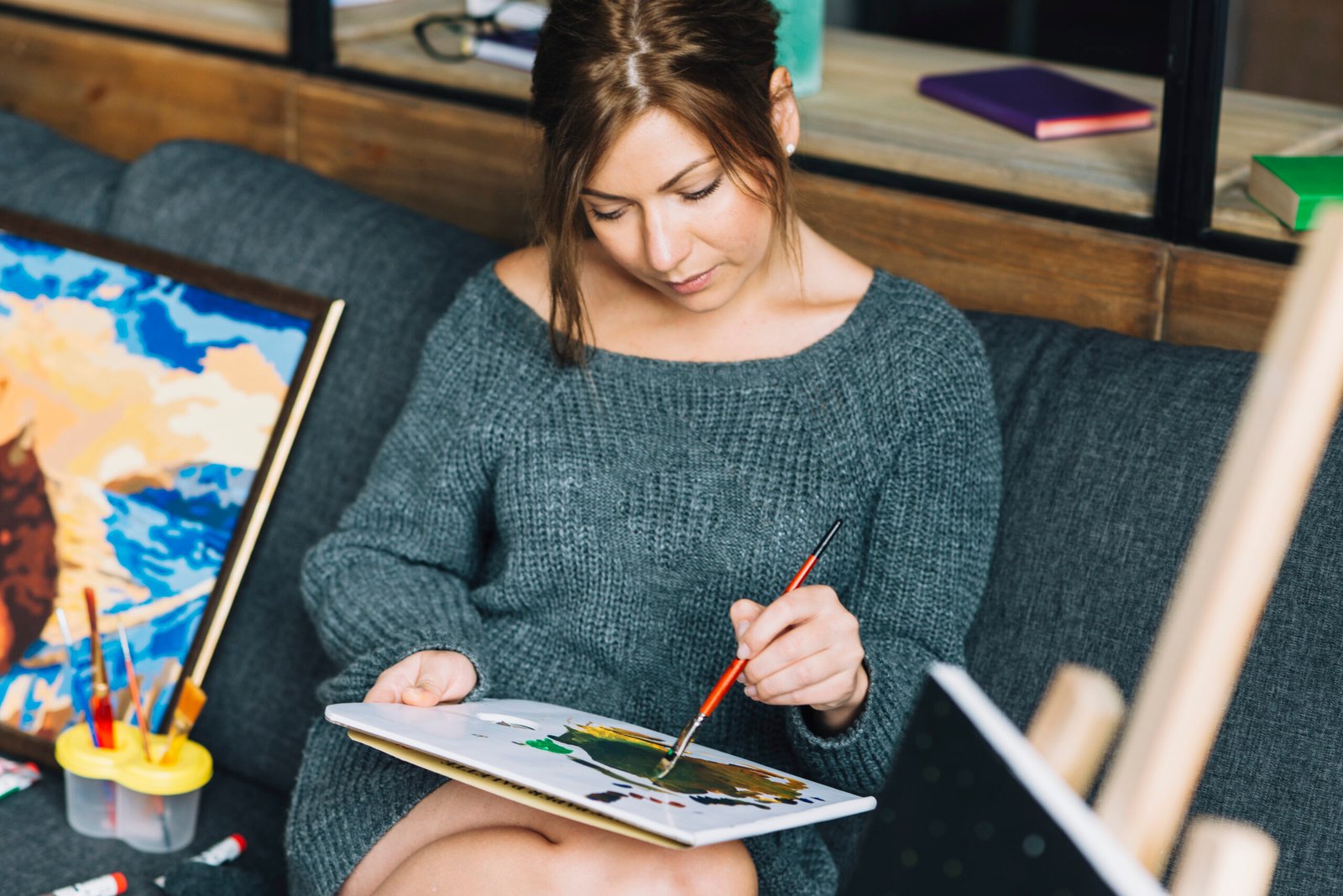
Mental health art is an expressive and creative way to explore emotions, reduce everyday stress, and encourage positive mental well-being. Drawing, painting, coloring, sculpting, photography, and other creative activities can give people a meaningful outlet when it feels difficult to communicate their thoughts through words.
Art can be more than entertainment. It can help individuals express feelings, develop self-awareness, focus their attention, and connect with others. Some people use creative activities as part of their daily wellness routines, while others work with trained professionals through structured art therapy.
Understanding the connection between art and mental health can help individuals discover practical ways to support emotional well-being. Whether someone enjoys painting landscapes, creating abstract designs, coloring mandalas, or writing creatively, artistic expression can become a valuable part of a balanced lifestyle.
What Is Mental Health Art?
Mental health art refers to creative activities, artistic expression, and art-based approaches that support emotional awareness and psychological well-being.
People use art to communicate feelings, explore personal experiences, express difficult emotions, and develop a stronger understanding of themselves.
Mental health art can include:
- Drawing and sketching.
- Painting with watercolors or acrylics.
- Coloring books and mandala designs.
- Clay modeling and sculpture.
- Photography and visual storytelling.
- Collage and mixed-media projects.
- Creative writing and poetry.
- Digital illustration and graphic design.
These activities do not require professional artistic skills. The purpose is not necessarily to create a perfect picture or impressive artwork. Instead, the creative process can provide an opportunity to relax, reflect, and express personal experiences.
What Is Art Therapy and How Does It Work?
Art therapy is a form of psychotherapy that uses creative processes and artistic materials within a professional therapeutic relationship.
A trained art therapist helps individuals use art-making to explore emotions, communicate experiences, and work toward personal treatment goals.
Unlike ordinary drawing or painting, professional art therapy involves psychological knowledge, therapeutic planning, and guidance from a qualified practitioner. It can be useful for people who find it difficult to explain their experiences verbally.
The British Association of Art Therapists describes art therapy as an established form of psychotherapy that combines art-making with therapeutic conversation. You do not need to be good at art to participate. <Cite refs={[“turn936693search3″,”turn936693search4”]}/>
How Art Therapy Works
The process generally involves several stages:
- Understanding personal needs: The therapist discusses the individual’s concerns, experiences, and goals.
- Choosing creative materials: The individual may work with pencils, paints, clay, paper, or other materials.
- Creating artwork: The person uses the creative process to express thoughts, emotions, or experiences.
- Reflecting on the experience: The therapist may invite discussion about the artwork and feelings associated with creating it.
- Developing further strategies: The therapist helps connect creative expression with emotional understanding and treatment goals.
Art therapy is not about judging artistic ability. It focuses on the individual’s experience and the meaning of the creative process.
Benefits of Art for Mental Health and Emotional Well-Being
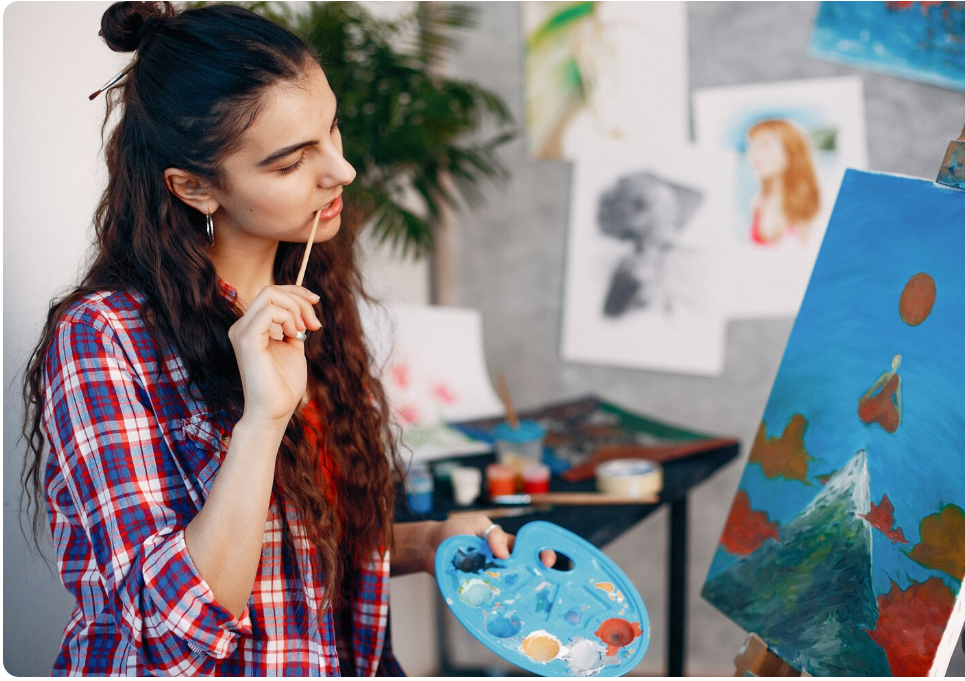
Creative activities may support mental wellness in several ways. Their effects vary between individuals, and ordinary art activities should not be considered a replacement for professional mental health treatment.
1. Helps Express Difficult Emotions
Sometimes people struggle to explain sadness, anger, fear, frustration, or confusion. Creating artwork can provide another way to communicate these feelings.
For example, someone may use colors, shapes, or images to represent an emotional experience. This can provide a starting point for personal reflection or a conversation with a therapist.
2. Supports Stress Management
Drawing, painting, and coloring can encourage people to slow down and focus on an enjoyable activity.
Creative work may provide a break from everyday responsibilities and repetitive worries. Spending a short period on an artistic activity can become part of a healthy stress-management routine.
3. Encourages Self-Awareness
Art can help individuals notice emotions, thoughts, and personal experiences that they may not have considered before.
Keeping a visual journal, for example, allows people to record feelings through drawings, colors, and symbols. Looking back at these entries may help them recognize emotional patterns.
4. Builds Confidence and Self-Esteem
Completing a creative project can provide a sense of accomplishment. Learning a new technique or experimenting with unfamiliar materials may also encourage confidence.
The goal does not have to be producing professional artwork. Enjoying the process and recognizing personal progress can be valuable in themselves.
5. Encourages Social Connection
Group art activities can create opportunities for communication, teamwork, and shared experiences.
Community painting sessions, creative workshops, and art clubs may help people feel connected with others who share similar interests.
6. Supports Emotional Well-Being
Creative pursuits can provide enjoyable activities that bring structure, interest, and positive experiences into everyday life.
A clinical practice guide published in the Indian Journal of Psychiatry discusses how creative activities can be used as life skills and well-being initiatives. <Cite refs={[“turn936693search6″,”turn936693search9”]}/>
Different Types of Mental Health Art Activities
There are many ways to include creativity in a mental wellness routine. Individuals can experiment with different forms of art and choose activities that feel comfortable.
Drawing and Sketching
<AsyncImage query=”peaceful pencil sketching in art journal flowers nature drawing desk” aspectRatio=”16:9″ width=”100%”/>
Drawing is one of the simplest ways to begin exploring mental health art. All you need is paper and a pencil.
You can draw objects, nature scenes, patterns, or abstract shapes. Some people also use drawing to record their moods or represent personal experiences.
Painting for Emotional Expression
<AsyncImage query=”calm watercolor painting creative art studio colorful abstract painting brushes” aspectRatio=”16:9″ width=”100%”/>
Painting provides an opportunity to experiment with colors, textures, and visual expression.
Watercolors, acrylics, and poster paints can be used to create landscapes, abstract designs, or imaginative scenes.
You do not need to follow a particular style. Allowing yourself to experiment can make the activity more enjoyable.
Mandala Coloring
<AsyncImage query=”intricate mandala coloring book geometric circular pattern colored pencils” aspectRatio=”16:9″ width=”100%”/>
Mandala coloring involves filling geometric and circular patterns with different colors.
The repetitive nature of coloring may help some people focus their attention and take a break from distracting thoughts.
It can be an accessible activity for beginners because pre-designed patterns are widely available.
Clay Modeling and Sculpture
<AsyncImage query=”hands shaping natural clay pottery creative sculpture workshop” aspectRatio=”16:9″ width=”100%”/>
Working with clay allows individuals to explore shapes and textures through hands-on creativity.
Simple activities include making small figures, decorative objects, bowls, or abstract sculptures.
The physical process of shaping materials can be an enjoyable alternative to drawing or painting.
Photography and Visual Storytelling
<AsyncImage query=”creative nature photography flowers sunlight peaceful landscape camera” aspectRatio=”16:9″ width=”100%”/>
Photography allows people to notice meaningful details in their surroundings.
You might photograph flowers, buildings, sunsets, everyday objects, or places that bring positive memories.
Creating a photo journal can provide an opportunity to reflect on personal experiences and meaningful moments.
Digital Art and Creative Design
<AsyncImage query=”digital illustration tablet stylus colorful creative artwork workspace” aspectRatio=”16:9″ width=”100%”/>
Digital art combines creativity with modern technology. People can use drawing applications, tablets, and design software to create illustrations, patterns, and visual stories.
This approach may appeal to people who enjoy technology or prefer working digitally instead of using traditional materials.
Mental Health Art Ideas for Beginners
You do not need expensive supplies or advanced skills to begin. Simple activities can provide an accessible starting point.
Here are some ideas to try:
- Draw how you feel today using colors and shapes.
- Create a picture of a place where you feel comfortable.
- Make a collage using magazine images and paper.
- Paint an abstract design without planning the result.
- Color a mandala pattern.
- Create a visual gratitude journal.
- Photograph five things that make you smile.
- Write a short poem and decorate it with illustrations.
- Use clay to create a small object.
- Design a personal vision board.
Choose an activity based on your interests and available time. There is no requirement to finish a project in one sitting.
Mental Health Art Ideas for Different Age Groups
Art-based activities can be adapted to different ages and abilities. Materials and instructions should be appropriate for the individual.
| Age group | Suggested art activity | Possible focus |
|---|---|---|
| Children | Drawing, coloring, clay modeling | Expression and creativity |
| Teenagers | Digital art, journaling, collage | Identity and self-expression |
| Adults | Painting, photography, creative writing | Reflection and stress management |
| Older adults | Watercolor, crafts, memory collages | Engagement and social connection |
For children, creative activities can provide a way to communicate experiences they may find difficult to explain. For older adults, group art projects can encourage participation and meaningful interaction.
When activities are used for clinical treatment, a qualified professional should determine the appropriate approach.
Research on Art Therapy and Mental Health
Research continues to examine how art-based interventions may support mental health.
A 2026 systematic review and meta-analysis published in Arts & Health examined 29 studies involving 2,077 participants. It reported associations between art therapy and improvements in psychological well-being, depression, anxiety, and cognitive function. However, the findings varied across outcomes, and further research is needed. <Cite refs={[“turn936693search0”]}/>
Another 2026 systematic review focused on adults with depression and found that art therapy was associated with reduced depressive symptoms. Its findings regarding anxiety were less conclusive, highlighting the importance of interpreting research carefully. <Cite refs={[“turn936693search1”]}/>
These studies suggest that structured art-based interventions may have a useful role in mental health care. They do not mean that art alone can treat every mental health condition.
Mental Health Art Therapy vs. Regular Art Activities
Although both involve creativity, art therapy and ordinary art activities are not the same.
| Feature | Professional art therapy | Regular art activities |
|---|---|---|
| Guidance | Led by a trained art therapist | Can be done independently or in groups |
| Main purpose | Therapeutic goals and emotional support | Creativity, enjoyment, and personal expression |
| Structure | May follow an individualized treatment plan | Flexible and self-directed |
| Reflection | May include guided therapeutic discussion | Personal reflection is optional |
| Clinical role | Can form part of mental health care | Supports general wellness but is not clinical treatment |
A person can enjoy painting or drawing without participating in formal art therapy. However, someone seeking treatment for significant emotional distress should consider speaking with a qualified mental health professional.
How to Create a Mental Health Art Routine at Home
A simple creative routine can make it easier to include artistic activities in everyday life.
Step 1: Choose a Comfortable Space
Find a quiet area where you can work without unnecessary distractions. A desk, table, or small corner of a room can be enough.
Step 2: Gather Basic Materials
Start with affordable supplies such as paper, pencils, crayons, colored markers, or a simple watercolor set.
You do not need to purchase expensive equipment.
Step 3: Set a Realistic Time
Begin with 10 to 20 minutes of creative activity. Increase the time only if you enjoy it and it fits your schedule.
Step 4: Select an Activity
Choose drawing, painting, coloring, photography, or another activity that interests you.
Avoid putting pressure on yourself to produce something impressive.
Step 5: Reflect on Your Experience
After finishing, consider how you felt during the activity. Did it help you focus? Did you discover something about your emotions? Would you like to try it again?
You can record your thoughts in a journal if that feels helpful.
A Simple Seven-Day Mental Health Art Challenge
A short creative challenge can help beginners explore different artistic activities without making the process complicated.
| Day | Creative activity | Suggested time |
|---|---|---|
| Day 1 | Draw your current mood | 10 minutes |
| Day 2 | Color a mandala | 15 minutes |
| Day 3 | Paint a nature-inspired picture | 20 minutes |
| Day 4 | Create a gratitude collage | 15 minutes |
| Day 5 | Photograph meaningful surroundings | 15 minutes |
| Day 6 | Write and decorate a short poem | 20 minutes |
| Day 7 | Create a free-expression artwork | 20 minutes |
The challenge is flexible. You can repeat activities, skip a day, or choose a different creative medium.
How to Choose a Professional Art Therapist
If you want structured art therapy rather than independent creative activities, choosing a qualified professional is important.
Consider these factors:
Professional education: Ask about the therapist’s training in psychology, psychotherapy, and art therapy.
Clinical experience: Look for someone who has experience with your particular concerns or age group.
Therapeutic approach: Ask how creative activities are incorporated into sessions and what treatment goals may be appropriate.
Confidentiality: Understand how personal information, artwork, and session records are protected.
Comfort and communication: Choose a professional who listens respectfully and explains the process clearly.
Professional titles and regulations differ between countries. Check local registration requirements and confirm that the practitioner is qualified to provide the services they advertise.
Important Things to Remember About Mental Health Art
Art can be a valuable part of a healthy lifestyle, but it should be approached with realistic expectations.
- You do not need artistic talent to enjoy creative activities.
- There is no correct way to express emotions through art.
- Artwork does not automatically reveal a mental health diagnosis.
- People may respond differently to different creative activities.
- Art-based wellness activities are not a substitute for necessary professional treatment.
- Difficult emotions may arise during creative work, and it is okay to stop or seek support.
If depression, anxiety, trauma-related symptoms, or other difficulties are interfering with everyday life, consider speaking with a qualified mental health professional.
Conclusion
Mental health art offers a creative way to explore emotions, express personal experiences, and support everyday well-being. Activities such as drawing, painting, coloring, photography, and sculpture can provide opportunities for reflection, enjoyment, and social connection.
Professional art therapy takes this approach further by combining creative expression with psychological knowledge and structured therapeutic support.
Whether you are a beginner or an experienced artist, creativity can become a meaningful part of your wellness routine. Start with a simple activity, experiment with different materials, and focus on enjoying the process rather than achieving perfection.
Frequently Asked Questions
1. What is mental health art?
Mental health art refers to creative activities and artistic expression that support emotional awareness and psychological well-being. Examples include drawing, painting, coloring, photography, and creative writing.
2. How does art help mental health?
Art may help people express difficult emotions, focus their attention, develop self-awareness, manage everyday stress, and connect with others. Its benefits vary between individuals.
3. Do I need artistic skills to participate in art therapy?
No. Professional art therapy does not require clients to have artistic talent. The focus is on the creative process, personal expression, and therapeutic goals rather than producing perfect artwork.
4. What are the best art activities for mental well-being?
Drawing, watercolor painting, mandala coloring, journaling, photography, collage-making, and clay modeling are accessible options. The best activity is one that feels comfortable and enjoyable.
5. Is art therapy a replacement for traditional mental health treatment?
No. Art therapy can be used as part of a broader mental health care plan, but it should not replace necessary medical treatment, psychotherapy, or prescribed medication without professional guidance.




Post Comment