best toddler car seats: A Complete Guide to Choosing a Safe.

Keeping a toddler safe during car journeys is one of the most important responsibilities of every parent. Whether you are taking your child to daycare, visiting family, going shopping, or planning a long road trip, the right car seat can help protect your little passenger in the event of sudden braking or a collision. Choosing an appropriate seat involves more than selecting an attractive design or a popular brand. Parents need to consider their child’s age, height, weight, comfort, vehicle compatibility, and the seat’s safety features.
When comparing the best toddler car seats, it is important to understand that not every model suits every child or vehicle. Some seats are designed to convert from rear-facing to forward-facing, while others are intended for older toddlers who have reached specific size requirements. Features such as a five-point harness, adjustable headrest, side-impact protection, and suitable installation options can make a meaningful difference in everyday use.
In India, parents may come across brands such as R for Rabbit, LuvLap, Babyhug, Joie, and Chicco. However, a familiar brand name alone does not guarantee that a particular seat is appropriate for your child. Always check the exact model’s certification, instructions, installation requirements, and approved size range before purchasing.
This guide explains how to select a suitable toddler car seat, which features deserve attention, how different seat types compare, and how to install and use a seat correctly.
Why Choosing the Right Toddler Car Seat Matters
Toddlers are still developing physically, and their bodies need appropriate support during vehicle travel. An ordinary adult seat belt is not designed to fit a small child correctly. A properly selected and installed child restraint helps distribute crash forces across stronger areas of the body and reduces the risk of serious injury.
1. Better Protection During Travel
A child car seat is designed to restrain a child during sudden stops and collisions. The seat’s shell, harness, head support, and installation system work together to help keep the child in a safer position.
2. Appropriate Support for Growing Children
Toddlers grow quickly, so a seat should fit their current measurements and remain suitable as they develop. Adjustable harnesses and headrests can help accommodate growth within the manufacturer’s stated limits.
3. More Comfortable Journeys

Well-designed padding, breathable fabrics, appropriate recline settings, and adjustable straps can help a toddler sit comfortably during everyday travel.
Comfort is important, but it should never come at the expense of correct harness adjustment or proper installation.
4. Confidence for Parents and Caregivers
Using a suitable child restraint consistently helps parents establish a safer travel routine. It also makes it easier for other caregivers to understand how the child should be secured.
Types of Toddler Car Seats to Consider
Understanding the different types of car seats is the first step toward making a suitable choice.
Rear-Facing Convertible Car Seats
A convertible car seat can generally be used rear-facing and later changed to forward-facing when the child reaches the manufacturer’s requirements for that mode.
Rear-facing travel is recommended for as long as the child remains within the seat’s rear-facing height and weight limits. It provides support to the head, neck, and torso during a frontal collision.
For many families, a convertible seat is a practical choice because it can cover more than one stage of early childhood.
Forward-Facing Harness Seats
A forward-facing seat uses a built-in harness to secure the child. Some models are intended for toddlers who have outgrown the permitted rear-facing stage, while others are designed for older children.
Do not switch a toddler forward-facing simply because the child appears interested in looking out of the window. Follow the seat’s instructions and applicable safety guidance, and keep the child rear-facing for as long as the seat permits.
All-in-One Car Seats
All-in-one seats are designed to accommodate multiple stages of childhood. Depending on the model, they may offer rear-facing, forward-facing harness, and booster configurations.
These seats can offer long-term value, but parents should check the approved limits and configuration requirements for each stage. A product advertised for use from birth to 12 years does not necessarily offer the same fit or features in every mode.
Booster Seats
Booster seats help position a vehicle’s adult seat belt correctly over a child’s body. They are intended for children who have outgrown a harnessed seat and meet the booster manufacturer’s size requirements.
A booster is not an appropriate substitute for a harnessed toddler seat when the child is still too small for booster use.
Key Features to Look for When Buying a Toddler Car Seat
The best purchase is not necessarily the most expensive or the one with the most features. Focus first on safety, fit, certification, and compatibility.
1. Safety Certification and Model Approval
Before buying, verify the exact model’s safety certification and applicable approval standard. Check the product label, instruction manual, and official manufacturer information rather than relying only on a marketplace description.
Depending on the product and market, you may encounter standards such as ECE R44/04 or the newer UN R129, often called i-Size for applicable seats. Confirm that the specific seat is approved for its intended use and legally marketed in your location.
Do not assume that every seat carrying an international-sounding label has been independently verified. Ask the seller for documentation if the certification details are unclear.
2. Five-Point Safety Harness
A five-point harness typically has two shoulder straps, two hip straps, and one strap between the legs, all connecting at a central buckle.
Look for a harness that can be adjusted to fit your child securely. The straps should lie flat and be snug according to the manufacturer’s instructions, without twisting or slack.
3. Rear-Facing Capability
For toddlers who still fit within the rear-facing limits, a convertible seat with rear-facing capability is worth considering.
Check the maximum rear-facing height and weight, not just the age printed on the product page. Children of the same age can have very different body sizes.
4. ISOFIX or Seat-Belt Installation
Some car seats attach using ISOFIX anchors built into compatible vehicles. Other models are installed using the vehicle’s seat belt, and some permit more than one installation method.
ISOFIX can make installation more straightforward when the vehicle and seat are compatible. However, it is not automatically safer in every situation: correct installation using an approved method is essential.
Check your car’s owner’s manual and the child seat’s instructions before purchasing. Confirm whether a top tether or support leg is required for the intended installation mode.
5. Side-Impact Protection
Some seats feature deeper side wings, energy-absorbing materials, or additional side-impact components.
These features may form part of the seat’s protection system, but marketing terms alone do not prove that one model is safer than another. Look for clear certification information and follow the manufacturer’s instructions for using any protective components.
6. Adjustable Headrest and Harness
An adjustable headrest and harness help the seat accommodate a growing child. Make sure the adjustment process is straightforward and that the harness can be positioned correctly for both rear-facing and forward-facing use where applicable.
7. Removable and Washable Covers
Toddlers can spill food, drinks, and other messes during travel. A removable cover makes routine cleaning easier.
Before washing, check the manufacturer’s instructions. Some fabrics may be machine-washable, while other parts require gentle cleaning. Never modify the seat, add unapproved padding, or use accessories that could interfere with its safety system.
Popular Toddler Car Seat Options in India
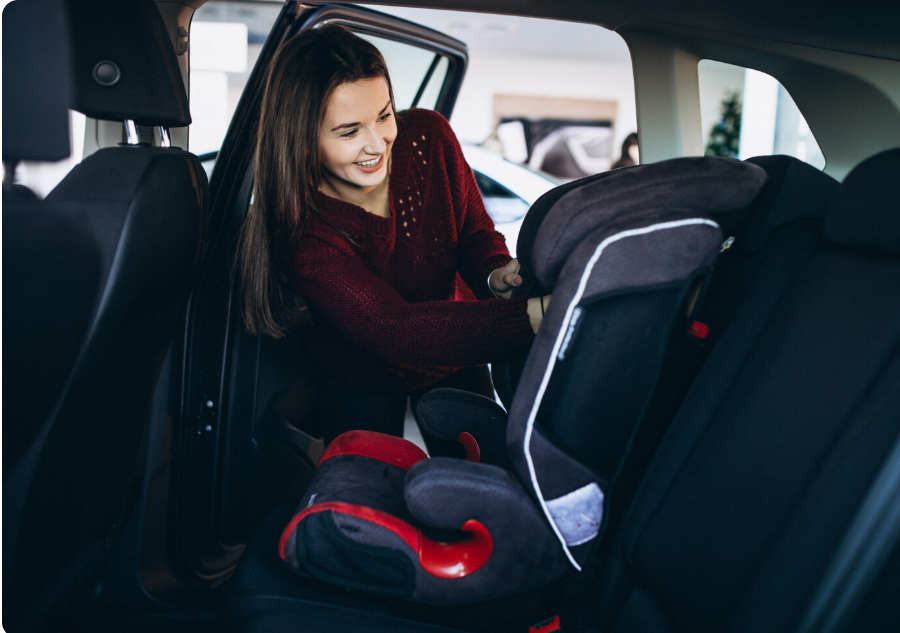
The following models are examples worth researching when comparing seats. This is a starting shortlist, not a verified crash-test ranking. Confirm each model’s current availability, certification, installation method, and size limits before buying.
R for Rabbit Jack N Jill Grand
This convertible-seat family may suit parents looking for a seat that covers multiple stages of early childhood. Check the exact version carefully because similarly named models may differ in their installation systems and approved child-size limits.
LuvLap Convertible Car Seats
LuvLap offers several child-seat models in different configurations and price ranges. Some are designed for use across infant and toddler stages, while others serve different age groups.
Compare the exact model’s rear-facing capability, harness adjustment, installation instructions, and certification rather than assuming all products from the brand have identical features.
Babyhug Convertible Car Seats
Babyhug’s range includes convertible options intended for different stages of child development. Parents may want to compare seat dimensions, recline settings, harness adjustment, and whether the specific model supports ISOFIX, vehicle-seat-belt installation, or both.
Joie Toddler and Convertible Seats
Joie offers child car seats in several categories, including models designed for younger children and those intended for later stages. Check the precise model’s height limits, installation requirements, and approval standard before choosing it.
Chicco Convertible Car Seats
Chicco has models designed to support different stages of childhood, depending on the product. Compare the available configurations, installation system, approved size range, and current manufacturer instructions.
A seat from any of these brands should be selected based on how well it fits your child and vehicle—not brand recognition alone.
Comparison Table: Choosing the Right Type of Car Seat
| Seat type | Best suited for | Main advantage | Important consideration |
|---|---|---|---|
| Rear-facing convertible | Infants and toddlers within its limits | Supports extended rear-facing use | Must fit the child and vehicle in rear-facing mode |
| Forward-facing harness seat | Children who meet the seat’s forward-facing requirements | Built-in harness restraint | Do not use before the child’s size and stage are appropriate |
| All-in-one seat | Families seeking multiple stages in one product | Can reduce the need to buy several seats | Check the limits and instructions for each mode |
| Booster seat | Older children who meet booster requirements | Positions the adult seat belt | Not intended for toddlers who still need a harnessed seat |
How to Choose a Seat for Your Child’s Age and Size
Age is a useful starting point, but it should not be the only factor in your decision. Height, weight, developmental readiness, and the seat’s approved limits all matter.
For Younger Toddlers
A younger toddler who still fits within the rear-facing limits should generally remain rear-facing. Choose a seat that provides the required support and can be installed securely in your vehicle.
For Older Toddlers
An older toddler may still benefit from rear-facing use if the child remains within the seat’s limits. When the child outgrows those limits, follow the manufacturer’s instructions for the next permitted configuration.
For Larger or Taller Children
Compare the child’s actual height and weight with the seat’s specifications. Do not rely on broad advertising statements such as “fits every toddler” or “suitable for all ages.”
If your child is near a limit, consult the manual and confirm which measurement triggers the transition to another stage.
Installation Tips for Better Child Passenger Safety
Even a well-designed car seat cannot provide its intended protection if it is installed or used incorrectly.
Read Both Manuals
Read the child seat’s instruction manual and your vehicle’s owner’s manual. These explain approved seating positions, installation methods, belt routing, tether requirements, and other important details.
Choose a Suitable Rear-Seat Position
The rear seat is generally the preferred place for young children. The middle position may be suitable when the seat can be installed correctly there, but it is not automatically the best position if the vehicle seat is uneven or the installation is insecure.
Never place a rear-facing child seat in front of an active passenger airbag.
Check for Movement
After installation, check the seat at the belt path according to the manufacturer’s instructions. It should be firmly secured within the movement allowance specified by the manual.
If you are unsure whether the seat is correctly installed, ask the manufacturer, retailer, or a qualified child passenger safety professional for help.
Secure the Harness Properly
Place your toddler in the seat and adjust the harness as directed. The straps should lie flat and fit snugly, with the buckle and chest-strap components positioned as the manual specifies.
Avoid bulky coats or thick padding under the harness because they can prevent a proper fit. Use only approved inserts or accessories supplied or authorized for that model.
Check the Installation Regularly
Recheck the seat after adjusting it, moving it between vehicles, or changing its configuration. Make sure the harness has not become twisted and that all required attachment points remain secure.
Comfort Features That Make Daily Journeys Easier
Safety must come first, but comfort also matters when a child spends time in a car seat.
Breathable Fabric
Breathable materials may make journeys more comfortable in warm weather. Choose a cover that is suitable for your climate and can be cleaned according to the manufacturer’s instructions.
Recline Adjustments
Recline positions can help provide the correct seating angle, but they must be used as specified for the child’s age, size, and direction of travel. Never adjust a seat beyond its approved positions.
Convenient Buckles and Adjusters
Easy-to-use harness adjusters can simplify daily routines. They should make it easier to achieve a secure fit rather than encourage parents to loosen the harness for convenience.
Practical Cleaning
Removable covers and accessible adjustment points can help with everyday maintenance. Avoid adding aftermarket head supports, cushions, belt-positioning devices, or other accessories unless the seat manufacturer explicitly approves them.
Common Mistakes to Avoid When Buying Toddler Car Seats
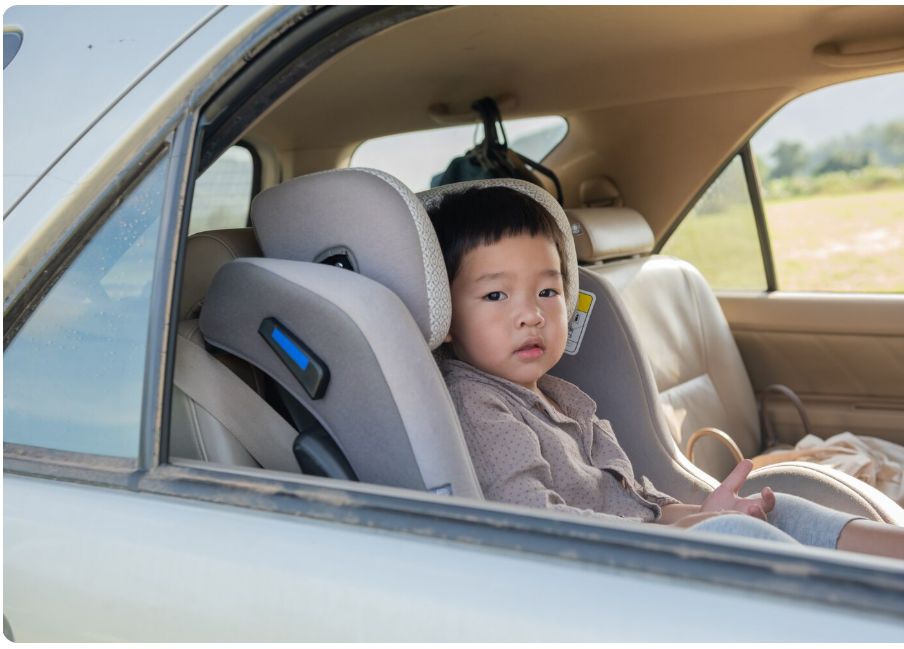
Parents can make a better decision by avoiding several common mistakes.
- Choosing by price alone: A low price does not establish whether a seat is appropriate, correctly approved, or compatible with your vehicle.
- Buying without checking fit: The seat must accommodate the child’s current height and weight.
- Switching forward-facing too early: Keep your child rear-facing until the applicable seat limits are reached.
- Assuming ISOFIX guarantees correct installation: Compatibility and correct use still matter.
- Ignoring the manual: The instructions define the permitted installation methods and adjustments.
- Using unapproved accessories: Extra cushions or padding may interfere with the harness or the seat’s protective design.
- Relying on online ratings alone: Reviews can help identify usability concerns, but they do not replace certification and correct fit.
- Forgetting vehicle compatibility: A seat that works in one car may not fit correctly in another.
- Overlooking product history: Avoid a seat with an unknown crash history, missing parts, or unreadable labels.
Budget Planning: What Should You Compare?
A sensible budget includes more than the advertised price. Compare the total value of the seat, its expected period of use, ease of installation, approved configurations, and cleaning requirements.
| Budget consideration | Why it matters | What to check |
|---|---|---|
| Initial price | Determines immediate affordability | Compare the exact model and included parts |
| Installation system | Affects compatibility and ease of use | Verify ISOFIX or seat-belt requirements |
| Growth range | Influences how long the seat may remain suitable | Check height and weight limits |
| Maintenance | Affects everyday convenience | Review cover-cleaning instructions |
| Certification | Helps verify the seat’s approved safety standard | Check the label and official documentation |
| Return policy | Useful if the seat does not fit your vehicle | Confirm the seller’s current terms before purchase |
A more expensive seat is not automatically safer, and a less expensive seat is not automatically unsuitable. The priority is finding an approved seat that fits your child, can be installed correctly, and meets your family’s needs.
Frequently Asked Questions (FAQs)
1. What Are the Best Toddler Car Seats to Consider?
Suitable options depend on your child’s size, vehicle compatibility, and budget. Parents in India may compare convertible models from R for Rabbit, LuvLap, Babyhug, Joie, and Chicco. Before buying, verify the exact model’s certification, approved size range, installation instructions, and rear-facing limits.
2. Should a Toddler Use a Rear-Facing or Forward-Facing Car Seat?
A toddler should generally remain rear-facing for as long as they fit within the seat’s rear-facing height and weight limits. Rear-facing travel helps support the head, neck, and torso during a frontal collision. Switch to forward-facing only when the seat’s requirements and applicable safety guidance permit it.
3. Is an ISOFIX Car Seat Better Than a Seat-Belt Car Seat?
ISOFIX can make installation easier in compatible vehicles, but the presence of ISOFIX does not guarantee correct installation or superior protection in every situation. A seat-belt-installed model can also be appropriate when it is approved for that installation method and fitted correctly. Always check both manuals.
4. What Safety Features Should I Look for in a Toddler Car Seat?
Look for appropriate safety certification, a secure harness system, clear installation instructions, suitable height and weight limits, and compatibility with your vehicle. Rear-facing capability, adjustable head support, and side-impact protection may also be relevant. Choose based on the full safety system rather than one advertised feature.
5. How Do I Know Whether a Car Seat Fits My Toddler Correctly?
Compare your child’s height and weight with the seat’s approved limits, then follow the instructions for harness positioning and adjustment. The seat should be installed using an approved method and should not exceed the permitted movement at the belt path. If you are uncertain, seek help from a qualified child passenger safety professional.
Safety guidance in this article is consistent with pediatric car-seat guidance and current buying advice emphasizing child fit, rear-facing limits, and correct installation.



Post Comment