United Airlines Flight UA770 Emergency Diversion What Happened and What We Know
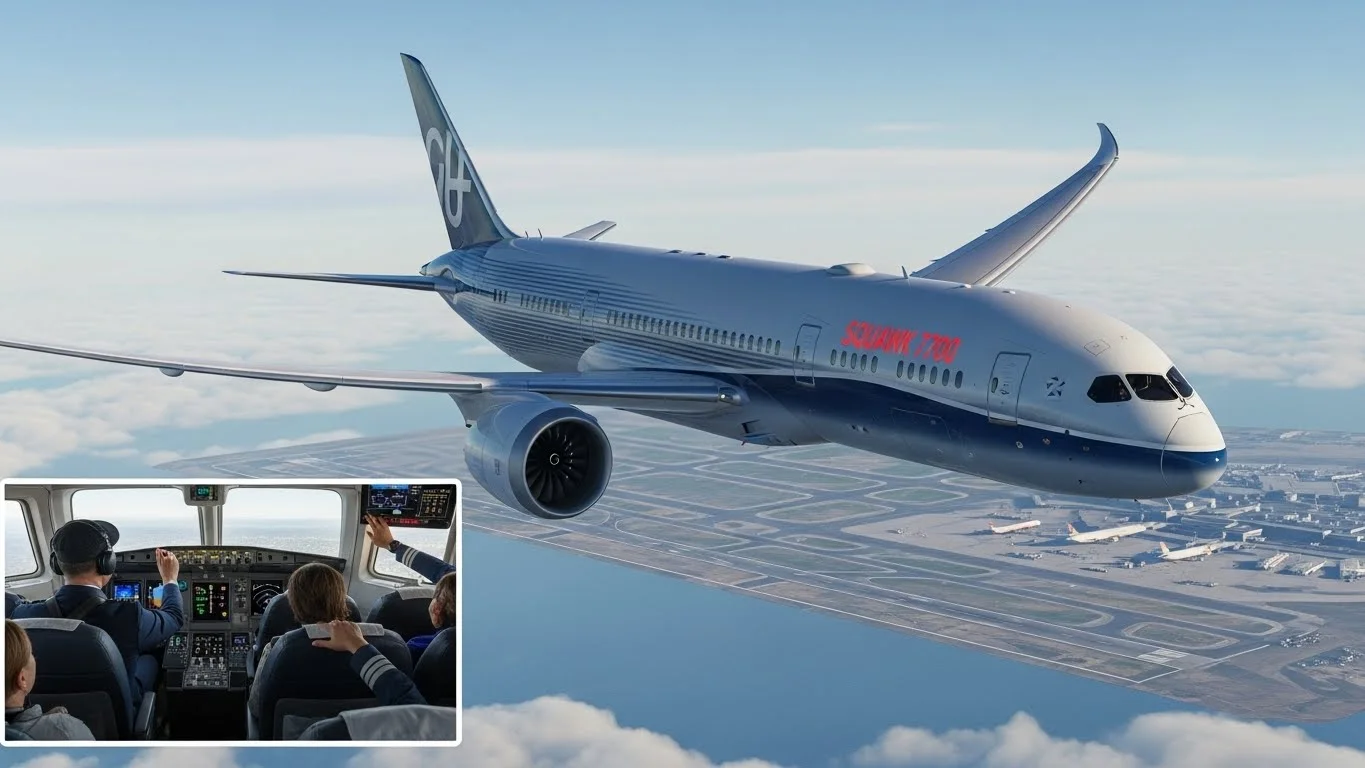
The phrase United Airlines Flight UA770 emergency diversion has attracted significant online attention, with many readers searching for details about what happened during the reported incident. However, much of the information circulating online is inconsistent, making it difficult to separate verified facts from speculation.
Based on publicly available reports, a United Airlines flight operating as UA770 declared an in-flight emergency and diverted to London Heathrow Airport while traveling from Barcelona, Spain, to Chicago O’Hare International Airport. The aircraft landed safely, and there were no reported injuries. While the emergency itself is confirmed by aviation tracking reports, the exact technical cause has not been officially detailed by United Airlines.
This article explains the reported events, why emergency diversions happen, how flight crews respond, and what passengers can expect during such situations.
United Airlines Flight UA770 at a Glance
| Flight Detail | Information |
|---|---|
| Airline | United Airlines |
| Flight Number | UA770 |
| Departure Airport | Barcelona–El Prat Airport (BCN) |
| Planned Destination | Chicago O’Hare International Airport (ORD) |
| Diversion Airport | London Heathrow Airport (LHR) |
| Aircraft | Boeing 787 Dreamliner |
| Emergency Signal | Squawk 7700 |
| Reported Injuries | None |
What Happened on United Airlines Flight UA770?
According to aviation tracking reports, Flight UA770 departed Barcelona on a scheduled journey to Chicago. About 90 minutes after takeoff, the flight crew declared a general emergency by transmitting Squawk 7700, the internationally recognized transponder code used when an aircraft requires priority assistance from air traffic control.
Following the emergency declaration, the pilots diverted the aircraft to London Heathrow Airport instead of continuing across the Atlantic. The aircraft landed safely, where emergency services were available as a standard precaution. No passengers or crew members were reported injured.
What Is Squawk 7700?
Many people became interested in the incident after seeing reports mentioning Squawk 7700.
This code is used by pilots to notify air traffic controllers that the aircraft is experiencing a general emergency requiring priority handling.
It does not automatically mean that the aircraft is in immediate danger. The code may be used for situations such as:
- Mechanical issues.
- Cabin system warnings.
- Medical emergencies.
- Smoke or unusual odors.
- Electrical problems.
- Other situations requiring a precautionary landing.
In commercial aviation, declaring an emergency allows controllers to provide the fastest and safest route to a suitable airport.
Why Did the Flight Divert?
Several online reports suggest the diversion may have been prompted by a cabin pressurization warning or another technical alert. However, United Airlines has not publicly confirmed a specific cause, and multiple websites provide conflicting explanations.
What is confirmed is that:
- The crew declared an emergency.
- The aircraft diverted to London Heathrow.
- The landing was completed safely.
- No injuries were reported.
Commercial pilots are trained to treat any significant warning seriously, even when passengers do not notice any immediate problem.
How Flight Crews Handle Emergency Diversions
Emergency diversions follow carefully practiced procedures designed to prioritize safety.
Typical steps include:
- Assess the situation.
- Inform air traffic control.
- Declare an emergency if necessary.
- Select the nearest suitable airport.
- Brief the cabin crew.
- Prepare passengers if needed.
- Land safely.
- Allow maintenance teams to inspect the aircraft.
These procedures are practiced regularly through simulator training and real-world operational planning.
Passenger Experience During the Diversion
Although an emergency declaration can sound alarming, passengers often experience only limited disruption.
During precautionary diversions, travelers may notice:
- Route changes shown on flight maps.
- Announcements from the captain.
- A descent earlier than expected.
- Emergency vehicles waiting near the runway.
- Delays while the aircraft is inspected.
In many cases, passengers remain calm because cabin crews provide regular updates throughout the process.
Why Safety Comes First
Modern commercial aviation follows strict international safety standards.
When pilots receive a warning that could affect safe flight operations, continuing to the original destination is not always the safest option.
Choosing to divert allows:
- Faster technical inspections.
- Access to emergency services.
- Reduced operational risk.
- Better passenger protection.
These precautionary decisions help maintain aviation’s excellent safety record.
Conflicting Online Reports
One unusual aspect of the United Airlines Flight UA770 emergency diversion story is the large number of conflicting articles published online.
Some websites describe different:
- Flight dates.
- Aircraft models.
- Diversion airports.
- Technical causes.
- Flight routes.
Independent reviews have noted that many of these articles contradict one another and lack confirmation from official airline or aviation authority statements. Readers should rely on verified aviation reporting and official announcements when researching aviation incidents.
Lessons From the Incident
Whether the diversion resulted from a technical warning or another operational concern, the reported handling of Flight UA770 demonstrates how modern aviation prioritizes safety.
Key takeaways include:
- Emergency declarations are precautionary in many cases.
- Squawk 7700 is a request for priority assistance.
- Diversions are planned safety measures.
- Commercial pilots receive extensive emergency training.
- Most emergency diversions end with safe landings.
These procedures help protect passengers and crew whenever unexpected situations occur.
Final Thoughts
The United Airlines Flight UA770 emergency diversion generated widespread online interest because emergency declarations naturally attract attention. Verified reports indicate that the flight diverted safely to London Heathrow after the crew declared a general emergency using Squawk 7700. Everyone on board landed safely, and no injuries were reported. While numerous websites have offered different explanations for the incident, the exact cause has not been officially confirmed in public reporting.
The event serves as a reminder that emergency diversions are a standard part of modern aviation safety. Flight crews are trained to act quickly and cautiously, ensuring that even precautionary situations are handled with the highest level of professionalism.
FAQs
What happened to United Airlines Flight UA770?
According to verified aviation reports, Flight UA770 declared an in-flight emergency and diverted to London Heathrow Airport while traveling from Barcelona to Chicago. The aircraft landed safely without reported injuries.
What does Squawk 7700 mean?
Squawk 7700 is the international transponder code used by pilots to indicate a general emergency and request priority assistance from air traffic control.
Why did UA770 divert?
Reports suggest the crew responded to a technical warning, but the exact cause has not been officially confirmed by United Airlines.
Were there any injuries on Flight UA770?
Public reports indicate that all passengers and crew landed safely, and no injuries were reported.
Are emergency diversions common?
Emergency diversions are relatively uncommon but are an established safety procedure. Pilots may divert whenever they believe it is the safest course of action for passengers and crew.




Post Comment