How Long Does Money Last? A Complete Guide to Understanding Your Financial Timeline
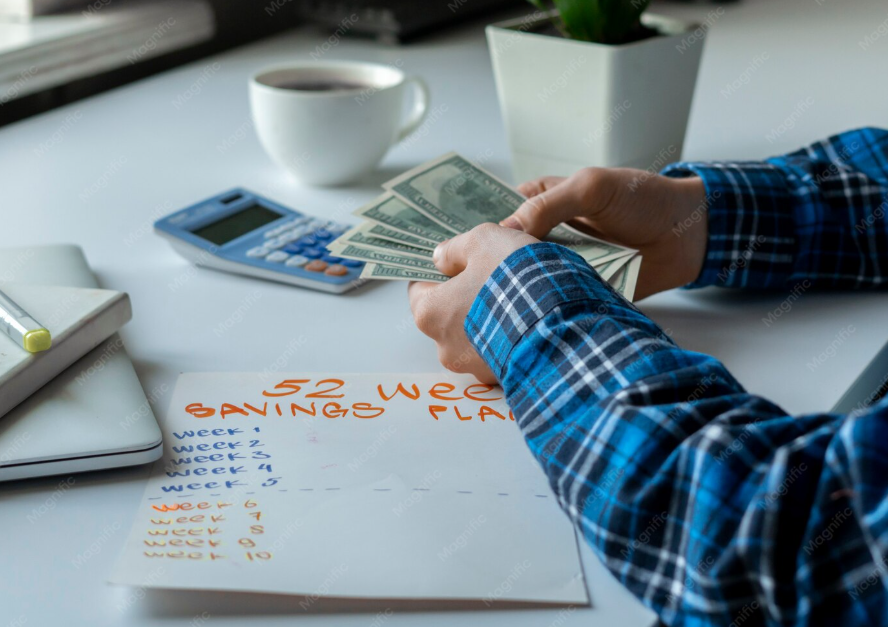
Many people wonder how long money last when they are planning their budget, managing savings, preparing for retirement, or dealing with a temporary loss of income. The answer is not the same for everyone because money duration depends on several personal factors, including your savings amount, monthly expenses, lifestyle choices, income sources, and financial responsibilities.
For one person, a certain amount of money may last for several years because they manage expenses carefully and have additional income sources. For another person, the same amount may disappear within a few months due to higher spending habits, debt payments, or unexpected costs.
Understanding how long your money can support you is an important part of financial planning. It helps you make better decisions, avoid financial stress, prepare for emergencies, and create a more secure future.
Whether you are trying to understand how long your savings will last without income, how long retirement funds can support your lifestyle, or how to make your current money stretch further, having a clear financial plan can make a major difference.
What Does “How Long Money Last” Really Mean?
When people ask how long money last, they are usually trying to understand the amount of time their available funds can cover their expenses before they run out.
This concept is often called a financial runway. It shows how many months or years you can continue paying for your needs using your current savings and available resources.
For example, if you have $20,000 saved and your monthly expenses are $2,000, your money can theoretically last around 10 months.
However, real-life situations are usually more complicated. Expenses can change, emergencies can happen, and income may increase or decrease. Therefore, calculating how long money lasts requires looking at your complete financial situation rather than only your savings balance.
Why Understanding Your Money Duration Is Important

Knowing how long your money can last gives you better control over your financial decisions. It helps you understand whether your current savings are enough for emergencies, career changes, retirement, or future goals.
When you know your financial timeline, you can make smarter choices such as reducing unnecessary expenses, increasing savings, finding additional income opportunities, and planning ahead for major financial events.
Many financial problems happen because people do not realize how quickly their money is being spent. Tracking your money duration allows you to take action before facing serious financial pressure.
How to Calculate How Long Your Money Will Last
Calculating how long your money will last is a simple process. You need to know your total available savings and your average monthly expenses.
The basic calculation is:
Total Savings ÷ Monthly Expenses = Number of Months Your Money Can Last
For example, if you have $30,000 in savings and spend $3,000 every month, your calculation would be:
$30,000 ÷ $3,000 = 10 months
This means your savings could support you for approximately 10 months if you have no additional income.
However, this calculation should be considered an estimate. Real situations include changing expenses, inflation, unexpected bills, and possible income opportunities.
Understanding Your Monthly Spending
Your monthly expenses play the biggest role in determining how long your money lasts. Someone with lower expenses can make their savings last much longer compared to someone with expensive financial commitments.
Important monthly expenses usually include:
Housing costs
Food and groceries
Transportation
Healthcare expenses
Insurance payments
Loan repayments
Utilities
Entertainment and personal spending
Reducing unnecessary expenses can significantly increase the amount of time your money supports you.
Example of Money Duration Calculation

Imagine someone has $15,000 saved and their monthly expenses are:
Rent: $900
Food: $400
Transportation: $200
Bills: $300
Personal expenses: $200
The total monthly spending is $2,000.
The calculation would be:
$15,000 ÷ $2,000 = 7.5 months
This means the savings may last around seven to eight months without additional income.
Factors That Decide How Long Your Money Lasts
Several factors influence how quickly or slowly your money is used. Understanding these factors can help you improve your financial stability.
Your Income Level
Income is one of the most important factors affecting how long money lasts. If you have a stable income, you may not need to use your savings regularly, allowing your money to grow over time.
People with multiple income sources often have better financial security because they are not completely dependent on one source of money.
Income sources can include:
Salary
Business earnings
Freelance work
Rental income
Investment returns
Side businesses
Increasing your income can significantly improve how long your money lasts.
Your Lifestyle and Spending Habits
Lifestyle choices have a direct impact on your financial situation. Two people earning the same amount of money may experience completely different results depending on how they spend.
A person who follows a simple lifestyle and controls unnecessary expenses may save more money and make their funds last longer.
On the other hand, frequent luxury purchases, expensive subscriptions, unnecessary shopping, and high entertainment costs can quickly reduce savings.
Small lifestyle changes can create significant financial improvements over time.
Debt and Financial Obligations
Debt can reduce the amount of money available for your daily needs. Monthly loan payments, credit card balances, and interest charges can quickly decrease your financial resources.
High-interest debt is especially harmful because it increases the amount of money you need to pay back.
Managing debt effectively can help your money last longer. Paying down expensive debt, avoiding unnecessary borrowing, and maintaining responsible credit habits can improve your financial health.
Emergency Expenses
Unexpected expenses can affect how long your money lasts. Medical emergencies, home repairs, vehicle problems, or sudden financial responsibilities can quickly reduce savings.
This is why having an emergency fund is important. Emergency savings provide protection when unexpected situations occur.
How Long Can Savings Last Without Income?
Many people search for how long money last because they want to know how long they can survive without regular income.
The answer depends on your savings amount and monthly expenses.
Someone with $50,000 saved and monthly expenses of $2,500 may have around 20 months of financial support. Someone with the same savings but monthly expenses of $5,000 may only have 10 months.
The key factor is not only how much money you have but also how efficiently you manage it.
Ways to Extend Savings During Income Loss
If you lose your income, you can make your savings last longer by adjusting your financial habits.
Some effective steps include:
Reducing unnecessary spending
Creating a temporary budget
Finding temporary income sources
Using savings only for important expenses
Reviewing subscriptions and regular payments
Looking for new employment opportunities
Taking early action can protect your savings and provide more financial flexibility.
How Long Does Different Amounts of Money Last?
The duration of money depends mainly on monthly spending habits. The same amount can last for different periods depending on lifestyle choices.
How Long Does $1,000 Last?
$1,000 may last only a few weeks for someone with high expenses, but it can support someone for a month or longer if they carefully manage their spending.
For example:
With $500 monthly expenses, it can last around two months.
With $1,000 monthly expenses, it can last around one month.
With higher expenses, it may disappear much faster.
How Long Does $10,000 Last?
$10,000 can provide financial support for several months depending on your lifestyle.
If your monthly expenses are:
$1,000, your money may last around 10 months.
$2,000, your money may last around 5 months.
$3,000, your money may last around 3 months.
Careful budgeting can increase the duration significantly.
How Long Does $50,000 Last?
$50,000 provides a stronger financial cushion, but the duration still depends on your spending habits.
Someone spending $2,000 per month may use it for more than two years, while someone spending $5,000 per month may use it within less than one year.
How to Make Your Money Last Longer
Making your money last longer requires discipline, planning, and smart financial decisions.
Create a Realistic Budget
A budget helps you understand where your money goes every month. It allows you to separate important expenses from unnecessary spending.
A good budget should include:
Essential expenses
Savings goals
Debt payments
Personal spending
Emergency funds
Tracking your expenses regularly can help you identify areas where you can save more money.
Reduce Unnecessary Expenses
Small expenses can add up over time. Reducing unnecessary spending can increase your financial runway.
Consider reviewing:
Unused subscriptions
Frequent dining expenses
Impulse purchases
Luxury spending
Small savings every month can create a large difference over time.
Build an Emergency Fund
An emergency fund helps protect your finances during unexpected situations.
It can cover expenses such as:
Medical bills
Emergency repairs
Temporary unemployment
Unexpected responsibilities
Having emergency savings allows you to avoid using credit cards or taking loans during difficult times.
Increase Your Income
Saving money is important, but increasing income can provide even greater financial benefits.
You can improve your income through:
Learning new skills
Starting freelance work
Building a business
Creating additional income sources
A combination of saving and earning more money creates stronger financial stability.
Invest for Long-Term Growth
Investing can help your money grow over time and protect against inflation.
Different investment options have different levels of risk, so it is important to choose options based on your goals and financial situation.
Long-term investments may help your money continue working for you instead of only being spent.
How Long Does Money Last After Retirement?
Retirement planning is one of the biggest situations where people think about how long money last.
Retirement savings need to support your lifestyle after you stop working. The duration depends on your savings amount, expenses, healthcare needs, and investment performance.
Factors That Affect Retirement Money Duration
Important factors include:
Retirement age
Monthly spending
Healthcare costs
Investment returns
Lifestyle choices
Unexpected expenses
Planning retirement early gives you more time to build financial security.
How Retirees Can Make Money Last Longer
Retirees can improve financial stability by:
Managing expenses carefully
Maintaining a suitable investment strategy
Avoiding unnecessary debt
Creating additional income sources
Reviewing financial plans regularly
A flexible retirement plan can help protect savings for a longer period.
Common Reasons Money Runs Out Quickly
Poor Financial Planning
Without proper planning, people may spend money without understanding their future needs.
Overspending
Spending more than you earn makes it difficult to maintain savings.
Ignoring Small Expenses
Small regular expenses can become large costs over time.
Too Much Debt
Large debt payments reduce the money available for important needs.
Conclusion
Understanding how long money last helps you make better financial decisions and prepare for the future. The amount of time your money can support you depends on your savings, expenses, income, lifestyle, and financial choices.
There is no single answer because every person’s financial situation is different. However, by creating a budget, reducing unnecessary expenses, managing debt, increasing income, and planning ahead, you can make your money last longer.
Good money management is not only about earning more. It is also about using your available resources wisely and creating a financial plan that supports your goals.
FAQs
How long does money usually last?
Money can last anywhere from a few weeks to many years depending on savings, monthly expenses, income sources, and spending habits.
How do I calculate how long my savings will last?
You can calculate it by dividing your total savings by your average monthly expenses. The result shows approximately how many months your savings can support you.
How long can $10,000 last without income?
$10,000 can last several months without income, but the exact duration depends on your monthly expenses and lifestyle.
What is the best way to make money last longer?
Creating a budget, reducing unnecessary expenses, managing debt, increasing income, and saving consistently are effective ways to make money last longer.
How much emergency savings should I have?
The amount depends on your personal situation, but many people aim to keep enough savings to cover several months of essential expenses.
Does investing help money last longer?
Investing may help money grow over time and support long-term financial goals, although investment choices involve risks.
How long does retirement money last?
Retirement money duration depends on savings, expenses, healthcare costs, lifestyle choices, and investment performance. Proper planning can help retirement funds last longer.


Post Comment