How to Start a Business: A Complete Step-by-Step Guide for Beginners

For many people, starting a business is a dream – they want financial independence, flexibility and the opportunity to create something of their own. However, turning an idea into a successful business requires proper planning, research and consistent effort. There are a lot of new entrepreneurs who have great ideas but struggle because they don’t know where to start.
If you’re wondering how to start a business, it’s easier to do when you break it down into clear steps. From selecting the right business idea, knowing your customers, developing a business plan, registering your company and marketing your products or services, every stage plays an important role.
A successful business does not necessarily need a large investment. Most entrepreneurs start small with limited resources and build over time by solving customer problems and providing value. Whether you are thinking about starting an online business, a service-based company, a retail store, or a home-based business, learning the basics will help you build a solid foundation.
Understand Why You Want to Start a Business
Before you start a business you need to understand why you are doing it. Why you become an entrepreneur will affect the decisions you make, the goals you set and your level of commitment.
Some of the reasons why people start businesses are:
- Creating an additional source of income
- Becoming financially independent
- Following a passion
- Solving a specific customer problem
- Building a long-term brand
- Having more control over their work schedule
A clear purpose keeps you focused when you encounter challenges. Running a business takes patience, because success usually does not happen overnight, but rather over time.
Find the Right Business Idea
The first practical step in learning how to start a business is to pick the right idea. A good business idea should be a blend of your skills, interests, market demand and the needs of customers.
Identify Your Skills and Strengths
Begin by taking stock of what you know and what you can contribute. You might be able to select a business that takes less time to learn with your present skills.
For example:
- A designer can start a graphic design business
- A writer can offer content creation services
- A developer can build websites or software
- A fitness expert can provide coaching
- A cook can start a food business
Using your current abilities allows you to begin faster and reduce startup costs.
Research Market Demand
A business idea is only worth something if someone is willing to pay for it. “Research your target market before you spend any money.
Analyze:
- Customer problems
- Competitor offerings
- Pricing models
- Industry trends
- Customer reviews
Market research helps you understand whether your idea has growth potential.
Choose a Business Model
Your business model is how your company will earn revenue. The selection of the right model is an important part of starting a business.
Common business models include:
Service-Based Business
A service business focuses on providing skills or expertise to customers.
Examples:
- Marketing agency
- Consulting services
- Cleaning services
- Web development
- Coaching
Service businesses typically require less investment because you are selling your expertise, not physical products.
Product-Based Business
A product business involves creating or selling physical or digital products.
Examples:
- Clothing brand
- Handmade products
- Online store
- Digital courses
- Software products
Product businesses may require inventory, manufacturing, or distribution planning.
Online Business
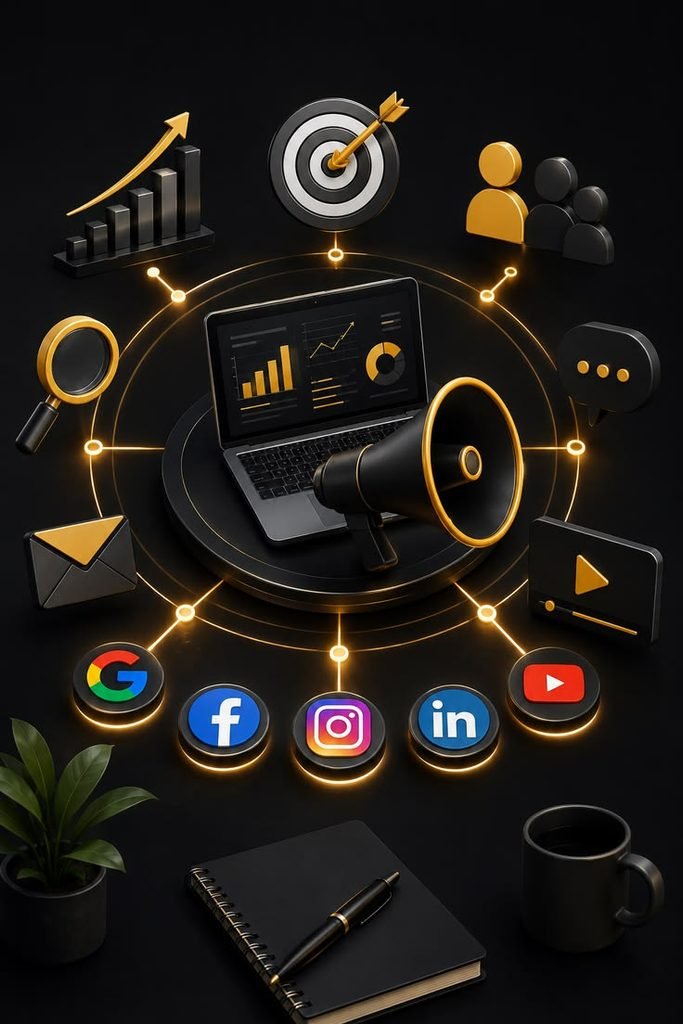
Online businesses allow entrepreneurs to reach customers through digital platforms.
Examples:
- E-commerce stores
- Affiliate marketing
- Blogging
- Online education
- Freelancing
Online businesses can often be started from home with minimal expenses.
Create a Business Plan
The roadmap of your company is the business plan. It helps you organize your goals, strategies, finances and operations.
A basic business plan should include:
Business Overview
Please tell us about your business, your customers and the problem you solve.
Target Audience
Define your ideal customers based on:
- Age
- Location
- Income level
- Interests
- Buying behavior
Understanding your audience helps you create better products and marketing campaigns.
Competitor Analysis
Look at companies that offer similar products or services. Spot their strengths, weaknesses, pricing and customer reviews.
This information can help you create a stronger value proposition.
Financial Planning
Estimate your startup costs, expected revenue, and ongoing expenses.
Include costs such as:
- Equipment
- Website development
- Marketing
- Inventory
- Employee salaries
- Business registration fees
Financial planning helps prevent unexpected problems.
Decide Your Business Name and Brand Identity
The first impression among customers is the name of your business. Select a name that is distinctive, appropriate and easy to understand.
Your brand identity includes:
- Business name
- Logo
- Colors
- Website design
- Brand message
- Customer experience
A professional brand helps build trust and recognition.
Register Your Business
Business registration requirements vary by your location and business structure. Typical business structures are:
- Sole proprietorship
- Partnership
- Limited liability company
- Corporation
Registration provides legal recognition and helps you operate professionally.
You may also need:
- Business licenses
- Tax registration
- Permits
- Business bank account
Research local requirements before starting operations.
Calculate Your Startup Costs
Knowing your expenses is one of the most important steps when learning how to start a business.
Startup costs may include:
- Website and domain expenses
- Marketing costs
- Tools and software
- Equipment
- Inventory
- Office expenses
Create a realistic budget and avoid unnecessary spending during the early stages.
Arrange Business Funding
Different businesses require different amounts of investment. Some entrepreneurs use their own savings, others seek external funding.
Common funding methods include:
Personal Savings
Many small businesses begin with personal savings because it allows owners to maintain control.
Loans
Business loans can provide additional capital for equipment, inventory, or expansion.
Investors
Some businesses attract investors who provide funding in exchange for ownership or future returns.
Crowdfunding
Crowdfunding allows entrepreneurs to raise money from multiple people through online platforms.
Build Your Online Presence
Having an online presence today is essential for most businesses. Consumers research online before they make buying decisions.
Important digital assets include:
Business Website
A professional website helps customers understand your products or services and contact your business.
Social Media Profiles
Social media sites offer businesses a means of engaging with customers, disseminating information and creating relationships.
Google Business Profile
Google Business Profile helps customers find your place, reviews and contact info for local businesses.
Develop Your Marketing Strategy
Marketing assists customers in locating your business. Great products won’t sell themselves and if they’re not marketed well, they may not find buyers.
Content Marketing
Create useful content that educates your audience and builds trust.
Examples:
- Blog articles
- Videos
- Guides
- Social media posts
Search Engine Optimization
SEO helps your website appear in search results when customers search for related products or services.
SEO strategies include:
- Keyword research
- Quality content creation
- Website optimization
- Link building
Paid Advertising
Online advertising platforms allow businesses to reach targeted customers quickly.
Examples:
- Search ads
- Social media ads
- Display advertising
Launch Your Business
When you have finished your planning, you can start your business. Start small, test out your products or services, and get feedback.
During launch:
- Announce your business online
- Offer introductory promotions
- Connect with potential customers
- Collect reviews
- Improve based on feedback
A successful launch is not about perfection but about learning and improving.
Focus on Customer Experience
Every successful business is built on good customers. Excellent service encourages repeat purchases and recommendations.
Important customer experience factors include:
- Fast communication
- Quality products
- Transparent pricing
- Reliable support
- Professional service
Happy customers can become your strongest marketing channel.
Track Business Performance
After launching your business, regularly measure your results.
Important metrics include:
- Sales revenue
- Customer acquisition cost
- Profit margin
- Website traffic
- Customer retention
- Marketing performance
Tracking performance helps you make better business decisions.
Common Mistakes New Entrepreneurs Should Avoid
Starting a business can be challenging, especially for beginners. Avoiding common mistakes can improve your chances of success.
Lack of Planning
Many entrepreneurs start without proper research or financial planning. A clear strategy helps reduce risks.
Ignoring Customer Feedback
Customer opinions provide valuable information about what works and what needs improvement.
Spending Too Much Early
Avoid unnecessary expenses before your business generates consistent income.
Trying to Do Everything Alone
Successful entrepreneurs learn to delegate tasks and use professional help when needed.
How Long Does It Take to Start a Business?
The timeline depends on the type of business. Some online businesses can start within days, while larger companies may require months of preparation.
Factors affecting the timeline include:
- Business registration
- Product development
- Funding
- Marketing preparation
- Market research
The important thing is to focus on building a strong foundation rather than rushing.
Final Thoughts on How to Start a Business
The first step to becoming an entrepreneur is learning how to start a business. So, if you want to run a successful business, you need a good idea, planning, know your customers, market your product, and keep improving.
All successful companies start with a simple idea and the decision to act on it. No matter what your goal is – to start a small side business or grow a big company – with the right approach and some consistent effort, you can realize your dreams.
First, know your market. Then create value for your customers, manage your finances well and improve every day. With hard work and good decisions, your business idea can be a profitable reality.
Frequently Asked Questions About How to Start a Business
What is the first step to start a business?
The first step is identifying a profitable business idea based on your skills, interests, and market demand. Research your customers and competitors before investing resources.
How much money is needed to start a business?
The amount depends on the type of business. Some businesses can start with very little investment, while others require funding for equipment, inventory, or operations.
Can I start a business without experience?
Yes, many entrepreneurs start without previous business experience. Learning, researching, and gaining practical knowledge can help you develop the required skills.
What are the easiest businesses to start?
Some easier businesses to start include freelancing, consulting, online services, content creation, digital marketing, tutoring, and home-based businesses.
How do I find customers for my new business?
You can find customers through digital marketing, social media, networking, referrals, advertising, and creating valuable content that attracts your target audience.
Should I create a business plan before starting?
Yes, a business plan helps organize your goals, expenses, marketing strategy, and growth plans. It improves decision-making and reduces unnecessary risks.
Can I start a business while working a full-time job?
Yes, many entrepreneurs start businesses as side projects while continuing their jobs. This approach allows them to test ideas before making a full transition.
How can I make my business successful?
A successful business focuses on solving customer problems, delivering quality, building trust, managing finances, and continuously improving products or services.



Post Comment