How to Find Your Personal Fashion Style and Confidence
Fashion is more than following the latest trends. The clothes you wear can reflect your personality, mood, lifestyle, and individuality. When you understand what looks and feels right for you, getting dressed becomes easier and more enjoyable. Developing a personal style can also improve confidence because you begin to feel comfortable in what you wear instead of constantly comparing yourself with others.
Finding your style does not happen overnight. It is a process of exploring different colors, silhouettes, fabrics, and combinations until you discover what represents you. Whether you prefer simple outfits, classic pieces, bold designs, or relaxed clothing, your personal style should make you feel comfortable and confident.
Start by Understanding Your Lifestyle
Before buying new clothes, think about how you spend most of your time. Your wardrobe should support your everyday life rather than simply copy what looks good on someone else.
Consider your work environment, social activities, hobbies, climate, and daily routine. Someone who works in a formal office may need tailored clothing, while someone with a casual lifestyle may benefit more from comfortable everyday pieces.
Your clothing should be practical as well as attractive. When your wardrobe matches your lifestyle, you are more likely to wear the clothes you own regularly.
Identify What You Already Love
Take a look through your current wardrobe and identify the pieces you enjoy wearing most. Notice what they have in common.
Perhaps you regularly choose neutral colors, relaxed fits, structured jackets, denim, dresses, or simple accessories. These preferences can reveal important clues about your natural style.
You can also look at outfits you have saved online or in fashion magazines. Instead of copying complete outfits, look for patterns. Maybe you repeatedly choose outfits with similar colors, shapes, textures, or accessories.
Creating a small collection of inspirational images can help you recognize these patterns more clearly.
Experiment With Different Styles
Finding your personal style requires experimentation. You may not immediately know whether a particular trend works for you, and that is perfectly normal.
Try different silhouettes and combinations. Experiment with oversized shirts, fitted tops, wide-leg trousers, skirts, jackets, or layered outfits. You may discover that something you never considered before actually suits your personality.
You do not need to completely change your wardrobe to experiment. Start with a few inexpensive or existing pieces and combine them in different ways.
The goal is not to follow every trend. It is to discover what makes you feel like yourself.
Learn Which Colors Make You Feel Good
Color can have a major influence on an outfit. Some people feel most comfortable wearing neutral shades such as black, white, beige, navy, or gray. Others enjoy bright colors, pastels, earthy tones, or rich jewel shades.
Pay attention to the colors you naturally reach for. Also consider which shades make you feel confident when you look in the mirror.
You can create a basic color palette for your wardrobe. Choose a few primary colors that work well together, then add one or two accent shades for variety.
A coordinated palette makes it easier to mix and match clothing without buying something new for every outfit.
Focus on Fit Before Trends
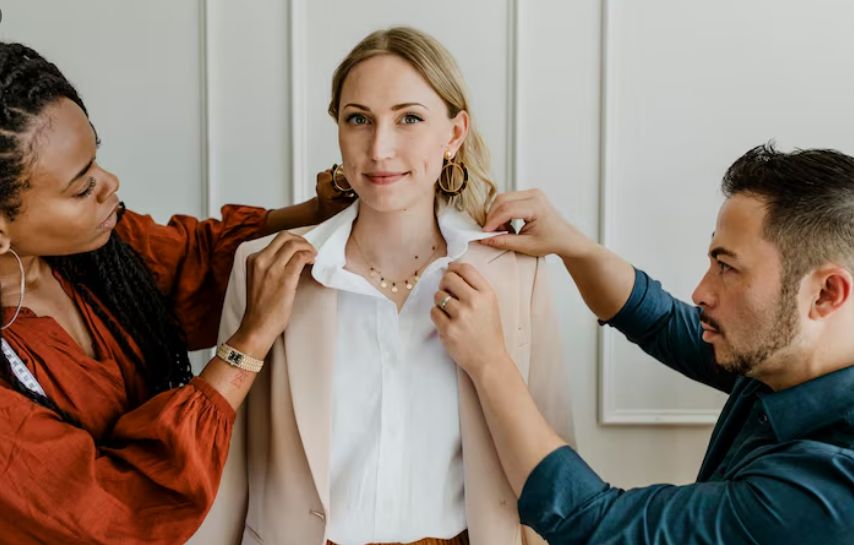
A well-fitting outfit can often look more polished than an expensive outfit that does not fit properly.
Pay attention to shoulder seams, sleeve lengths, trouser lengths, waist placement, and overall proportions. Clothing should allow you to move comfortably while creating a shape you feel good wearing.
Do not feel pressured to wear a particular cut simply because it is fashionable. Trends change quickly, but clothing that fits comfortably and suits your preferences can remain useful for years.
If necessary, consider having important wardrobe pieces altered. Small adjustments can make a significant difference in how clothing looks and feels.
Build a Strong Wardrobe Foundation
You do not need hundreds of clothes to have great style. A thoughtful wardrobe with versatile pieces can provide many outfit possibilities.
Start with reliable basics that work with different items. Depending on your lifestyle, these might include well-fitting jeans, simple tops, trousers, a versatile jacket, comfortable shoes, and a few accessories.
Once you have a foundation, add statement pieces that reflect your personality. A colorful bag, patterned shirt, distinctive jewelry, or interesting footwear can transform a simple outfit.
The idea is to create a wardrobe where most pieces can be combined in multiple ways.
Use Accessories to Express Yourself
Accessories are one of the easiest ways to personalize an outfit. They can add color, texture, personality, and visual interest without requiring a completely new wardrobe.
Try experimenting with watches, necklaces, earrings, belts, scarves, sunglasses, handbags, or hats.
You do not need to wear many accessories at once. Sometimes one carefully selected item can become the defining feature of an outfit.
Over time, you may develop signature accessories that people naturally associate with your style.
Stop Comparing Your Style to Others
Social media has made fashion inspiration easier to access, but it can also create unrealistic expectations. Seeing carefully styled outfits every day may make you feel that your own wardrobe is not good enough.
Remember that fashion images are often carefully selected and presented. Your real life does not need to look like a fashion campaign.
Use other people’s outfits as inspiration rather than a standard you must meet. Your style should reflect your own personality, comfort, and circumstances.
Confidence grows when you stop trying to dress exactly like someone else.
Dress for Yourself
One of the most important parts of developing personal style is learning to trust your own preferences.
If you love an outfit and feel comfortable wearing it, that matters more than whether everyone else approves. Fashion can be a form of self-expression, so there is no single correct way to dress.
You can enjoy trends while still maintaining your individuality. Choose trends that fit naturally into your wardrobe instead of buying something simply because it is popular.
When your clothing feels authentic, confidence often follows naturally.
Develop a Simple Outfit Formula
An outfit formula can make daily dressing much easier. This means creating combinations that consistently work for you.
For example, you might prefer jeans with a simple top and jacket, or trousers with a fitted shirt and comfortable shoes. Once you know a few formulas that suit you, you can change colors, fabrics, and accessories to create new looks.
This approach saves time while still allowing creativity.
Keep notes or photos of outfits you particularly like. When you are unsure what to wear, these examples can provide quick inspiration.
Shop With Intention
Building personal style does not mean constantly shopping. In fact, buying fewer but more useful pieces can make your wardrobe easier to manage.
Before purchasing something, ask whether you can wear it with several items you already own. Think about its quality, comfort, fit, and usefulness.
Avoid buying something solely because it is on sale. A cheap item that never gets worn is still wasted money.
Intentional shopping helps you build a wardrobe that represents your style instead of filling your closet with random pieces.
Confidence Comes From Comfort and Authenticity
Clothing can influence confidence, but confidence does not come from wearing expensive brands or following every fashion trend. It comes from feeling comfortable with your choices.
When you know what you like, understand what works for your lifestyle, and stop worrying about constant comparison, dressing becomes much easier.
Give yourself permission to change. Your personal style can evolve as your lifestyle, interests, and preferences change.
Final Thoughts
Finding your personal fashion style is a journey of discovery rather than a search for one perfect look. Start by understanding your lifestyle, identify the clothes and colors you love, experiment with different combinations, and prioritize comfort and fit. Build your wardrobe gradually and choose pieces that genuinely reflect your personality.
Most importantly, remember that fashion should be enjoyable. When you wear clothes that feel authentic to you, you can walk into any room with greater comfort and confidence.
Post Comment