The Ultimate Guide to Building a Stylish Wardrobe
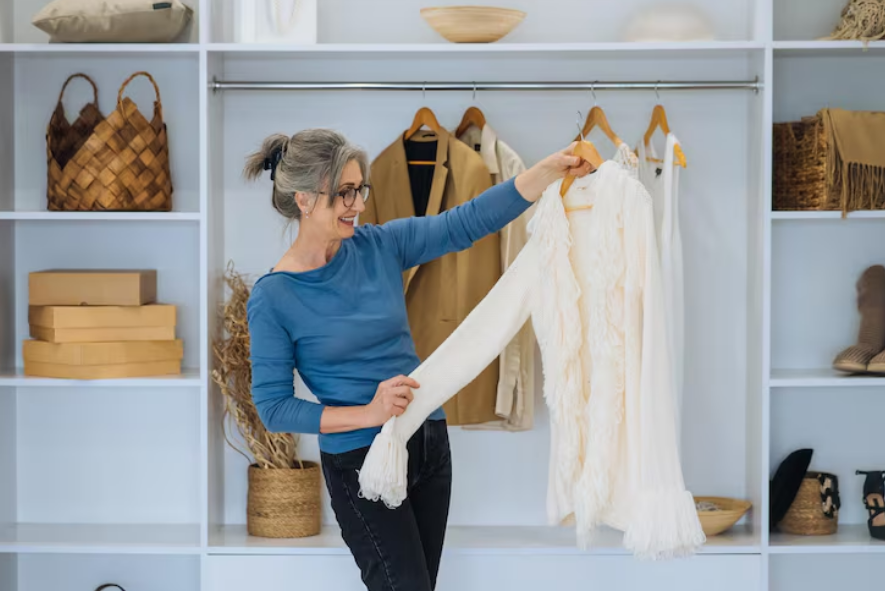
A stylish wardrobe is not about owning hundreds of clothes or following every new trend. True personal style comes from having pieces that fit well, work together, and make you feel confident. A thoughtfully planned wardrobe can make getting dressed easier while helping you create outfits for work, weekends, special occasions, and everyday life.
Whether you are starting from scratch or simply want to improve your existing collection, building a stylish wardrobe begins with understanding what you actually need. With the right approach, you can spend less time wondering what to wear and more time enjoying your personal style.
Understand Your Personal Style
Before buying new clothes, take some time to understand your personal style. Think about the colors, silhouettes, fabrics, and outfits that you naturally enjoy wearing.
Look through your current wardrobe and identify the pieces you wear most often. These items can provide clues about your preferred style. You may discover that you prefer simple and minimal outfits, classic clothing, relaxed streetwear, feminine looks, or a combination of different styles.
Your lifestyle should also influence your wardrobe. Someone working in a formal office may need tailored clothing, while someone working from home may prioritize comfortable everyday pieces. Consider where you spend most of your time and choose clothing that supports your daily activities.
Start With Wardrobe Essentials
Every stylish wardrobe needs a strong foundation of versatile basics. These are pieces that can be combined with many other items.
Useful essentials may include well-fitting jeans, neutral trousers, simple T-shirts, comfortable sweaters, button-down shirts, a versatile jacket, and a few polished outfits for formal occasions.
The goal is not to buy everything at once. Instead, focus on filling the gaps in your wardrobe gradually.
Neutral colors such as black, white, navy, gray, beige, and brown can make mixing and matching easier. Once you have a reliable foundation, you can add brighter colors and interesting patterns according to your personality.
Focus on Fit
Fit is one of the most important elements of looking stylish. Even an expensive garment can look unflattering if it does not fit properly.
Pay attention to the shoulders, sleeves, waist, length, and overall shape of each item. Clothing should allow comfortable movement while maintaining a clean appearance.
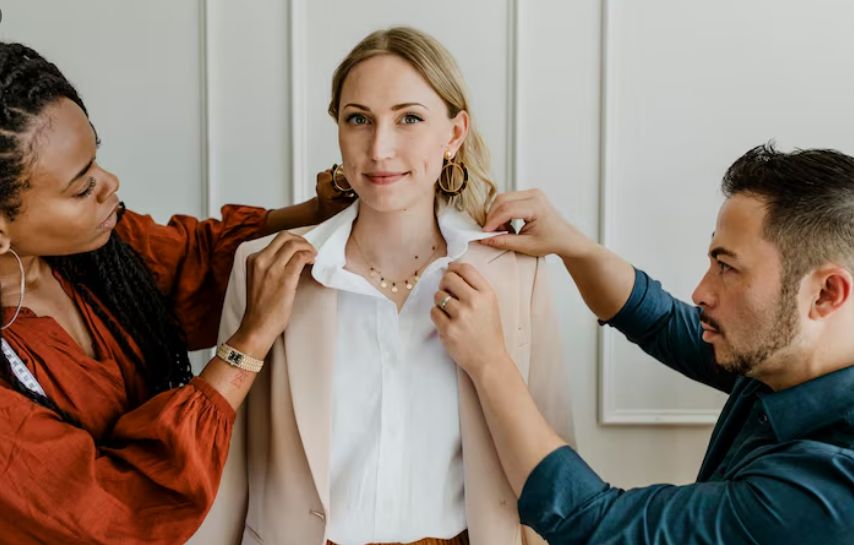
If you find a piece you love but the fit is slightly off, consider having it altered. Simple tailoring can make a significant difference, especially with trousers, jackets, dresses, and formal clothing.
Understanding your preferred silhouettes can also help you shop more effectively. Instead of buying something simply because it looks good on a model, consider whether its shape works for your own wardrobe and lifestyle.
Choose Quality Over Quantity
A stylish wardrobe does not have to be expensive, but it should be intentional. Instead of constantly purchasing inexpensive items that you rarely wear, consider investing in pieces that you expect to use regularly.
Look at the fabric, stitching, buttons, zippers, and construction before buying. Quality does not always mean luxury. Many affordable brands offer durable clothing when you know what details to look for.
Think about cost per wear. A jacket worn dozens of times may provide more value than a trendy item worn once.
Buying fewer, better-selected pieces can also make your wardrobe easier to organize and maintain.
Build a Versatile Color Palette
Having a consistent color palette makes outfit planning much simpler. Start with a few neutral shades that complement one another, then introduce accent colors that reflect your personality.
For example, a wardrobe based around black, white, beige, and denim can easily incorporate burgundy, green, blue, or another favorite shade.
You do not need to restrict yourself to a small number of colors. The purpose of a color palette is simply to make combinations easier.
When shopping, ask yourself whether a new item works with at least three pieces you already own. If the answer is yes, it is more likely to become a useful addition.
Add Statement Pieces
Basics create the foundation, but statement pieces give your wardrobe personality. These might include a distinctive coat, patterned dress, bold shoes, colorful handbag, unique jewelry, or eye-catching jacket.
Statement pieces should complement your existing clothing rather than dominate your entire wardrobe.
A simple outfit can become much more interesting with one memorable accessory or standout garment. This is also a great way to experiment with trends without replacing your entire wardrobe every season.
Dress for Different Occasions
A well-planned wardrobe should prepare you for different situations. Consider the activities and events that regularly appear in your life.
You may need casual outfits for weekends, polished clothing for work, comfortable pieces for travel, athletic wear for exercise, and formal options for celebrations or professional events.
Creating separate categories can help you identify what you already have and what you are missing.
It is useful to have a few reliable outfits that require minimal planning. When you are short on time, knowing exactly what to wear can save both time and stress.
Choose Accessories Carefully
Accessories can completely change the appearance of an outfit. Belts, watches, scarves, jewelry, handbags, sunglasses, and shoes can add personality without requiring a completely new set of clothes.
Shoes deserve particular attention because they can influence the overall character of an outfit. A pair of clean sneakers can create a relaxed look, while loafers, boots, or dress shoes can make the same clothing appear more polished.
Choose accessories that you can use with multiple outfits. A few versatile pieces are often more useful than a large collection that rarely gets worn.
Avoid Buying Clothes Just Because They Are Trendy
Fashion trends can be fun, but they should not control your entire wardrobe. Trends often change quickly, while personal style can remain relevant for years.
Before purchasing a trendy item, think about how often you are likely to wear it. Consider whether it works with your existing clothing and whether you genuinely like it.
If a trend fits naturally into your personal style, enjoy it. If it does not, there is no need to follow it simply because it is popular.
The best wardrobe combines timeless pieces with carefully selected modern touches.
Organize and Maintain Your Wardrobe
Organization is an important part of maintaining personal style. When your clothes are easy to see and access, you are more likely to wear different pieces instead of repeatedly choosing the same outfits.
Sort your clothing by category, season, or color according to what works best for you. Remove damaged or uncomfortable pieces that no longer serve a purpose.
Proper care can also extend the life of your clothes. Follow washing instructions, store delicate items carefully, repair minor damage quickly, and keep shoes clean.
Taking care of your wardrobe protects your investment and helps your favorite pieces look better for longer.
Shop With a Plan
Impulse shopping can quickly lead to a crowded wardrobe filled with items that do not work together. Before shopping, identify what you actually need.
Make a short list and set a budget. When you find something you like, consider its versatility, quality, fit, and compatibility with your existing clothing.
A useful question is: “Would I still want this if it were not on sale?” If the answer is no, you may be reacting to the discount rather than the item itself.
Thoughtful shopping creates a wardrobe that reflects your needs instead of temporary excitement.
Final Thoughts
Building a stylish wardrobe is a gradual process. You do not need to replace everything or spend a fortune to improve your appearance. Start with versatile essentials, prioritize fit and quality, develop a color palette, and add statement pieces that express your personality.
Most importantly, choose clothing that makes sense for your lifestyle and makes you feel comfortable and confident. When your wardrobe is built around pieces you genuinely enjoy wearing, creating stylish outfits becomes much easier.
Post Comment